
As most of you might be well aware, a month ago, the UK announced that it would be banning social media for young people under 16. Before we continue, let me present you with a personal experience.
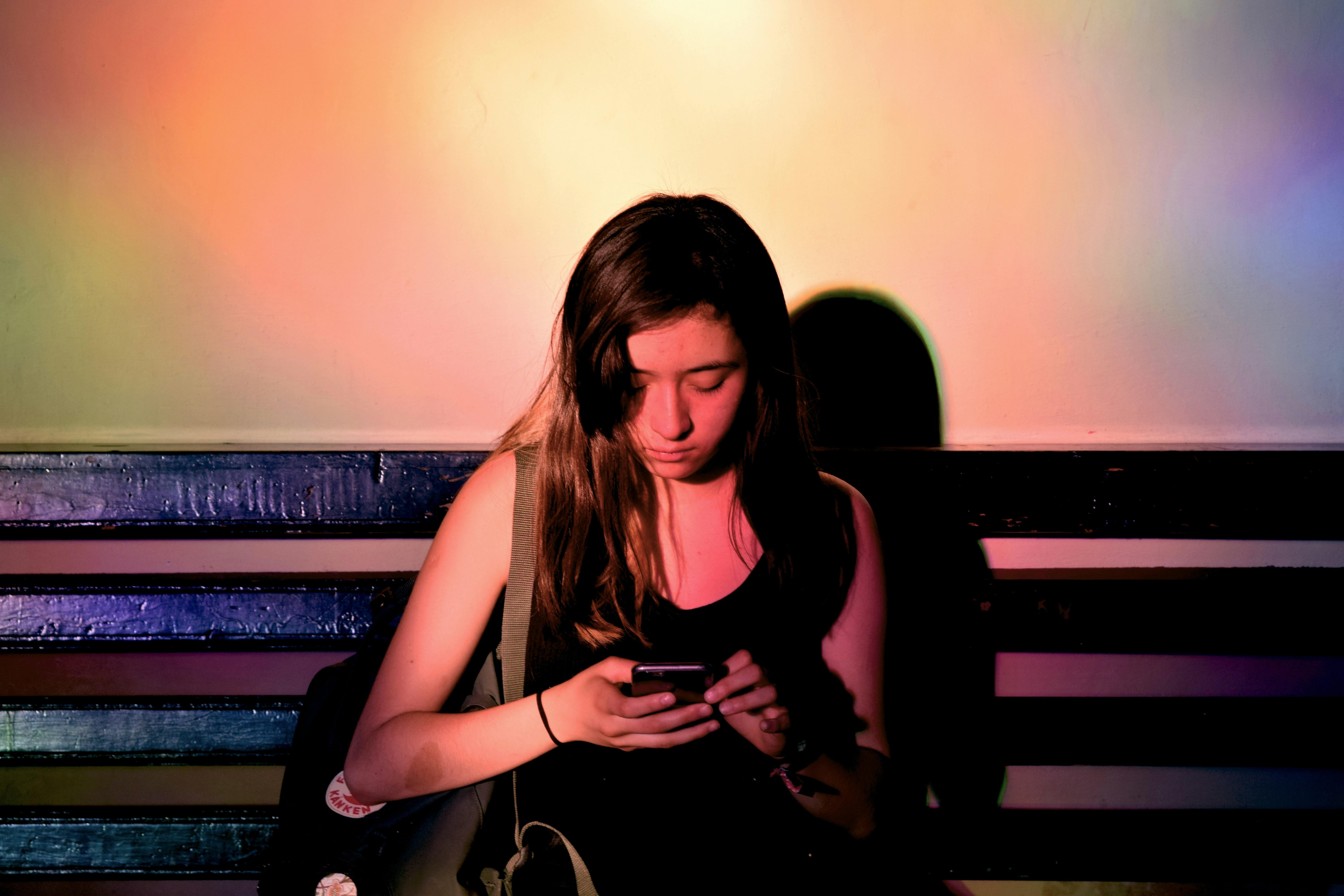
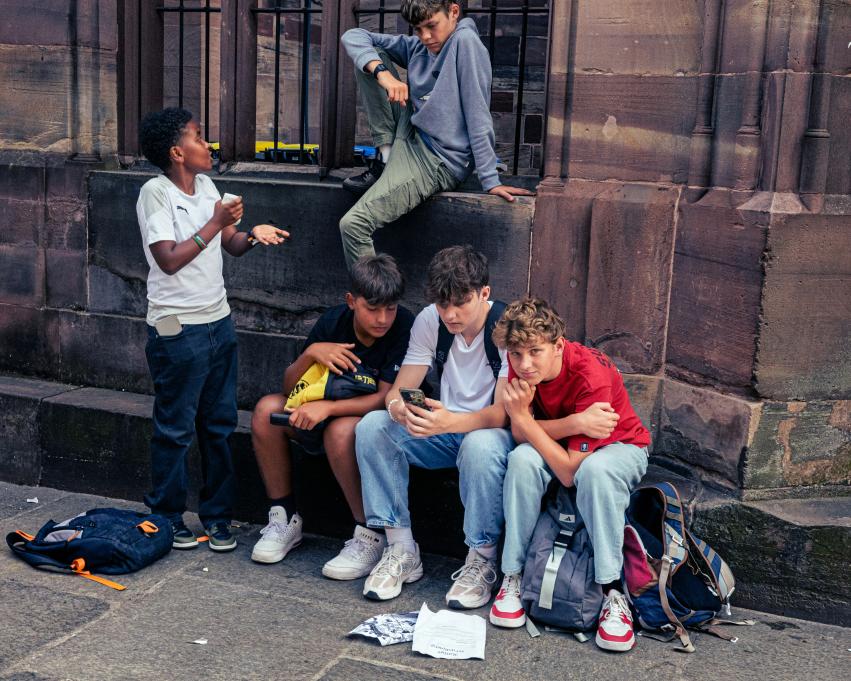
In most Pakistani households, there is a general rule, or at least there was: no smartphone before grade 10th (13 or 14 years). At first, it seemed like a baseless idea, but when we look at Gen Alpha, we realize the true essence of a disconnected childhood. After school, we would hurriedly finish our homework and rush to the ground to play cricket. In the evening, everyone would sit together playing Uno, chess, or my personal favorite, Ludo. However, nowadays, every individual has a smartphone. When I go to my cousin’s house, instead of playing Ludo, I am forced to hear the Italian Brain Rot “Tung Tung Tung Sahur” blasting on my 6-year-old niece’s tablet. When I open Instagram, I see my 10-year-old cousin’s “nonchalant” story (which is just a blurry photo with a Punjabi song whose lyrics he doesn’t understand). When I open Facebook, I see my younger brother, 14 years old, reposting a poem with such deep meaning that even I can’t comprehend. Looking at this picture, you might feel a sense of relief that the UK at least is introducing a social media ban. However, the aims and practicality of this move are unclear.
Let’s explore the UK government’s side. The official article published by the government stated the following main objectives: “Put power back in the hands of the parents, give children the childhood they deserve and protect their innocence”. Why don’t we tackle each objective separately?
Starting with handing power back to the parents. By enforcing a social media ban, the government undermines the ‘but everyone has social media’ argument made by young people to parents considering disallowing social media. Now, instead of each parent having to give long lectures on why you can’t have an online presence, parents can easily say “because the government doesn’t allow it”. Instead of the child obeying parental law, they are now under a legal obligation not to access the internet. By extension, this puts the power back in the hands of parents, giving the first round to the UK government's side.
Moving on, my personal favourite, “giving children the childhood they deserve”. Seems sweet, but then again, there are serious limitations to this idea. Boomers were masters of Yo-Yo, Millennials had their Tamagotchi, and Gen-Z had their Beyblades. Subsequently, Gen Alpha also has its own version of childhood. Surely Keir Starmer can’t expect 2010s kids to hang around skateboard parks listening to the Beatles blasting on a radio. So, to claim restoration of childhood, we must first establish what that means to the younger generation. But let’s assume this is already established. In that case, maybe restoration of childhood simply means creating a healthy environment for the younger generation where their mental and physical health is supported. Deep down, we are all aware of the adverse effects of excess screen time on a person’s physical well-being and cognitive ability. In that case, we must agree with the UK government that excess screen time is damaging to a child’s development. Early childhood develops personalities and defines character, and surely one doesn’t want that character to be shaped by Skibidi Toilet. After all, it isn’t called “Brain rot” for no reason: it has been shown to dampen cognitive abilities, deteriorate mental health, and increase anxiety. All issues that a 9-year-old shouldn’t have to deal with. The essence of childhood is meant to be spent enjoying time off-grid, playing in the dirt and strengthening our cognitive and physical skills. The confidence a child builds stays with them till eternity; the memories they make serve as a reminder of who they are. It becomes their identity. Perhaps that is the childhood the UK government wants to bring back; if so, we might give them this round.
Finally, last but not least, protecting childhood “innocence”. Innocence in children is precious, but is it really something we can preserve? Social media has the capacity to show young people all kinds of disturbing content: seeing an execution on a random Monday morning, unsavoury elderly people in the comments section, or abusive and racist posts coming up on the ‘for you’ page. Furthermore, it is incredibly easy for young people to access pornography online, which can result in young people putting unachievable expectations and pressures on themselves. Pornography addiction, if it gets that far, has also been shown to greatly impact a person’s cognitive function by providing a source of dopamine, damaging the brain from the inside out. Algorithms on social media also work on high engagement. Social media exposes us to all kinds of people, both loving and caring, or inconsiderate and hateful. Hateful content often receives more engagement and is promoted more across several platforms, which gives rise to casual racism and radicalization. Soon, parents hear their child saying swear words they had never heard before, believing in stereotypes they were never taught, and doing actions they never fathomed. Given all this, we might consider this last round the government’s as well, bringing the score in to 3-0.
However, we shouldn’t get ahead of ourselves. Let’s be honest, there are many loopholes in this fantasy bill. Why don’t we explore the objectives in greater detail?
Starting with giving children the childhood they “deserve”. The thing about brain rot is that we often claim that children should be saved from it, but fail to realize that it has had a greater impact on adults than adolescents. How so? Parents have realized how much easier it becomes when the handle their child a tablet to watch Cocomelon, Blipi, or whatever it is that kids watch nowadays. It removes the burden of constant supervision. Even if the government enforces the ban on younger children, who is going to stop the adults from making accounts for their children? After the ban in Australia was enforced, reports show that up to 60% of young people were able to use social media. Most of them stated that bypassing the ban was “easy”. This shows how illogical the ban would be in all aspects. There is no guarantee that parents can or will enforce it, and therefore no guarantee that childhood would in fact be protected or innocence preserved.
So if enforcing bans isn’t the right move, then what is? After all, we did establish that some of the UK governments’ arguments were sound. The way forward is simple but difficult to implement.
First and foremost, revolutionize the idea of parenthood. Ipads cannot be a substitute for attention. Secondly, it shouldn’t be the children who are held accountable for actions; rather, the big tech tycoons should be the primary targets. Instead of punishing a child for watching a disturbing video on YouTube Kids, Google should be held accountable for letting such things pass. After all, a kid shouldn’t be stopped from watching his favourite cartoon show just because a tech company can’t deal with some videos containing hateful content. Similarly, advanced age detection systems should be used to keep those under 18 away from adult content. All accountability should be taken by the manufacturer, the producer, and the publisher, not the consumer.
Let’s be honest: we have established the corruption social media brings, but still, it does have its benefits. Children are in a state of constant learning, and there are things that sometimes parents cannot teach. But a reasonable dose of Healthy social media can overcome that deficiency. Recall the 6-year-old niece: she is fluent in English and speaks better than any of us at her age. She learnt from YouTube, even two different types of accents, Mississippi and British. Similarly, cartoons such as Bluey have been known to improve the social and emotional quotient in children as well as parents.
We may be able to conclude with the obvious: enforcing a ban isn’t the smartest thing for the UK government to do. Instead, they should prioritise the implementation of proper parental support, holding tech giants accountable for their content, and perhaps most importantly, implementing advanced age detection systems and laws. Social media truly is a curse, but only if it is overused or abused; in moderation, it is the perfect tool for social engagement and development.
Support Young Creators Like This One!
VoiceBox is a platform built to help young creators thrive. We believe that sharing thoughtful, high-quality content deserves pay even if your audience isn’t 100,000 strong.
But here's the thing: while you enjoy free content, our young contributors from all over the world are fairly compensated for their work. To keep this up, we need your help.
Will you join our community of supporters?
Your donation, no matter the size, makes a real difference. It allows us to:
- Compensate young creators for their work
- Maintain a safe, ad-free environment
- Continue providing high-quality, free content, including research reports and insights into youth issues
- Highlight youth voices and unique perspectives from cultures around the world
Your generosity fuels our mission! By supporting VoiceBox, you are directly supporting young people and showing that you value what they have to say.