
The 21st Century Space race: Could Outer Space be the savior that rescues us from the environmental toll of Artificial Intelligence?
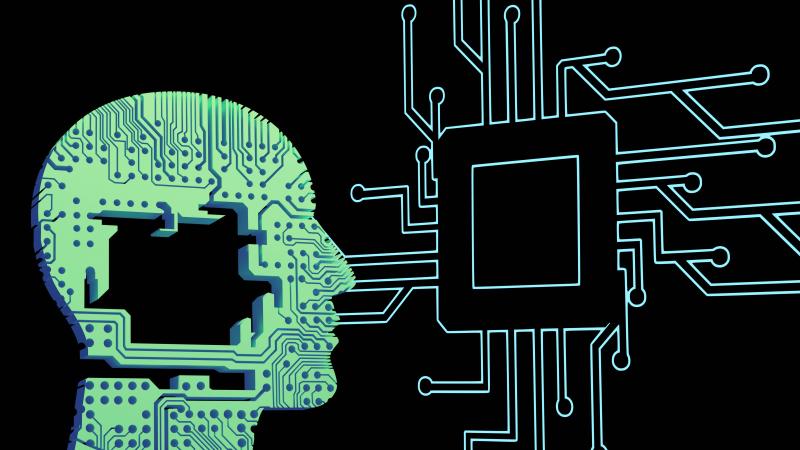
How can we balance the environmental harm AI and its use brings along with its numerous benefits? The truth is, we have only one planet, the resources of which we have to use wisely while also leaving enough for the generations to come. Every time an AI model answers a question or generates anything creatively, a machine somewhere is burning electricity and drinking water. The servers these AI models are deployed on can consume enough kilowatts to supply an average household, while it is also estimated that the global AI demand for the year 2027 might consume roughly 4.2-6.6 billion cubic millimeters of water, ranking it above half of the UK’s water withdrawal. Furthermore, the noise from the cooling systems and backup generators creates constant noise, which locals say can be heard from a mile away. There is no clear solution to the massive energy consumption, depletion of our natural resources, and the noise pollution created by the datacenters powering AI models. However, one suggestion - despite being quite strange - is that we simply allow these datacententers to leave the planet altogether.
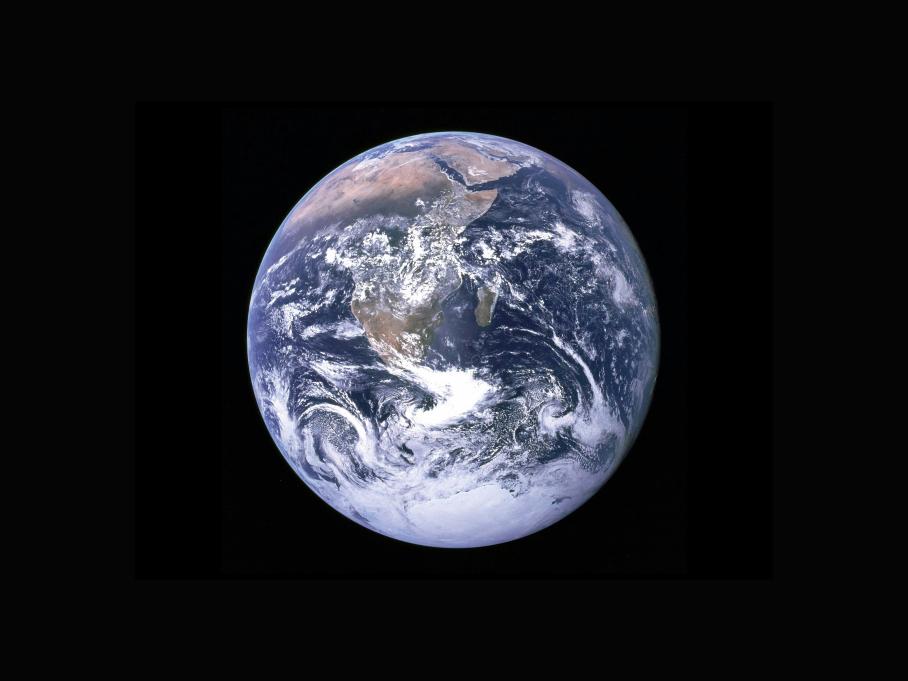
Moving the data centers off the face of Earth is gaining traction among tech giants due to environmental factors. Google in its project Suncatcher, visualises sending its company’s custom AI chips, linked together by high speed optical connections into the lower earth orbit. The benefits? You must be aware of how solar panels work, and how solar energy is created. Solar energy, as suggested by the name itself, comes from the sun through sunlight, but when half of the planet is not facing the sun, you cannot produce solar energy. So, essentially when a solar-powered satellite is set in the right orbit, it would be able to produce 8 times the energy produced by its counterparts on earth per year, as it would benefit from a constant and nonstop 24/7 supply of solar energy through the Sun, and the vacuum of space would act as a natural alternative to water-based cooling systems.
Google is not the only company having this ambition. In fact, Starcloud, backed by Nvidia and other investors, has already tried a demonstrator satellite carrying an Nvidia chip and plans for a significantly larger multi-gigawatt orbital data center, while Axiom Space is building orbital server nodes for development on commercial space stations. Additionally, the world’s richest man and the CEO of SpaceX, Elon Musk, does not want to be left behind in this “space race”, and has expressed intentions to pursue data centers in space of his own through SpaceX. To test the waters, that is, if AI hardware can survive the radiation and thermal extremes of outer space, Google aims to launch its first prototype satellites with Plant in early 2027. They expect to start small and scale from there. Sundar Pichai, the CEO of Google, puts it as “a normal way to build data centers within a decade or so.”
However beautiful and beneficial to the environment it may sound, no innovation or advancement comes trouble-free. There is no sugarcoating the cost to build, launch, and maintain huge satellites handling heavy AI servers. A single hyperscale data center on the ground can draw over 100 megawatts, and replicating that amount of power would demand an enormous, costly satellite constellation. Consequently, most experts expect the orbital data centers to become economically feasible by the mid-2030s at the earliest. Additionally, launching thousands of satellites would raise further concerns and questions about orbital debris and space traffic.
Still, outer space is an effectively limitless power source, which is crucial for an ever-growing industry functioning against the Earth’s limited resources. Although many economic and environmental problems lie in the way of this dream, who knows how much time will pass before the minds behind the outer space ambition come up with the technology required to cut costs and provide eco-friendly alternatives. It took just 54 years from the Wright brothers’ dream of flying to the launch of the first spaceflight with Sputnik, proving that all that seems impossible is not necessarily impossible, because if humanity has will, it finds a way.
Support Young Creators Like This One!
VoiceBox is a platform built to help young creators thrive. We believe that sharing thoughtful, high-quality content deserves pay even if your audience isn’t 100,000 strong.
But here's the thing: while you enjoy free content, our young contributors from all over the world are fairly compensated for their work. To keep this up, we need your help.
Will you join our community of supporters?
Your donation, no matter the size, makes a real difference. It allows us to:
- Compensate young creators for their work
- Maintain a safe, ad-free environment
- Continue providing high-quality, free content, including research reports and insights into youth issues
- Highlight youth voices and unique perspectives from cultures around the world
Your generosity fuels our mission! By supporting VoiceBox, you are directly supporting young people and showing that you value what they have to say.