


Pressure to constantly acquire new things is relentless in modern society. From clothes to the latest tech, excessive skincare and cosmetics, the temptation to spend beyond our means is everywhere – heightened by social media influencers and clever marketing campaigns.
A culture of ‘buy now or miss out’ has created an environment where millions are increasingly caught in an endless loop of financial obligation, a continuous debt cycle that is difficult to break. This is fueled by new, easily accessible forms of credit that exploit the progressively economic burden on young people.
So what forms of quick credit are available, and how harmful are they? Let’s explore.
Pretty and Sparkly: Buy-Now, Pay-Later
Anyone who feels the addictive pull of online shopping is probably very familiar with the ‘buy-now, pay-later’ icon at checkout. As a clothes lover myself, I too have been tempted by this offer when I’ve gone overboard on the ‘add to basket’. At first glance, it seems perfect; regular monthly payments that cover the cost of your order, and no need to choose between meeting up with friends (at a time when it costs £50 just to leave your front door) or that outfit that would look SO good on you. This philosophy, however, requires that you are confident in your budgeting abilities and will be able to make these regular payments. While there is some leeway, consistently failing to make these payments can result in Klarna contacting debt collection services. Add in the late payment fees, and users can end up in a cycle of debt that feels impossible to escape.
‘Buy-now, pay later’ is a short-term loan that allows you to purchase something and pay for it in instalments over time. There are various schemes available, with the delay period (the period during which you need to repay the money) ranging from 30 days to a few months. Buy-now, pay-later loans are often interest-free – so how do they make money?
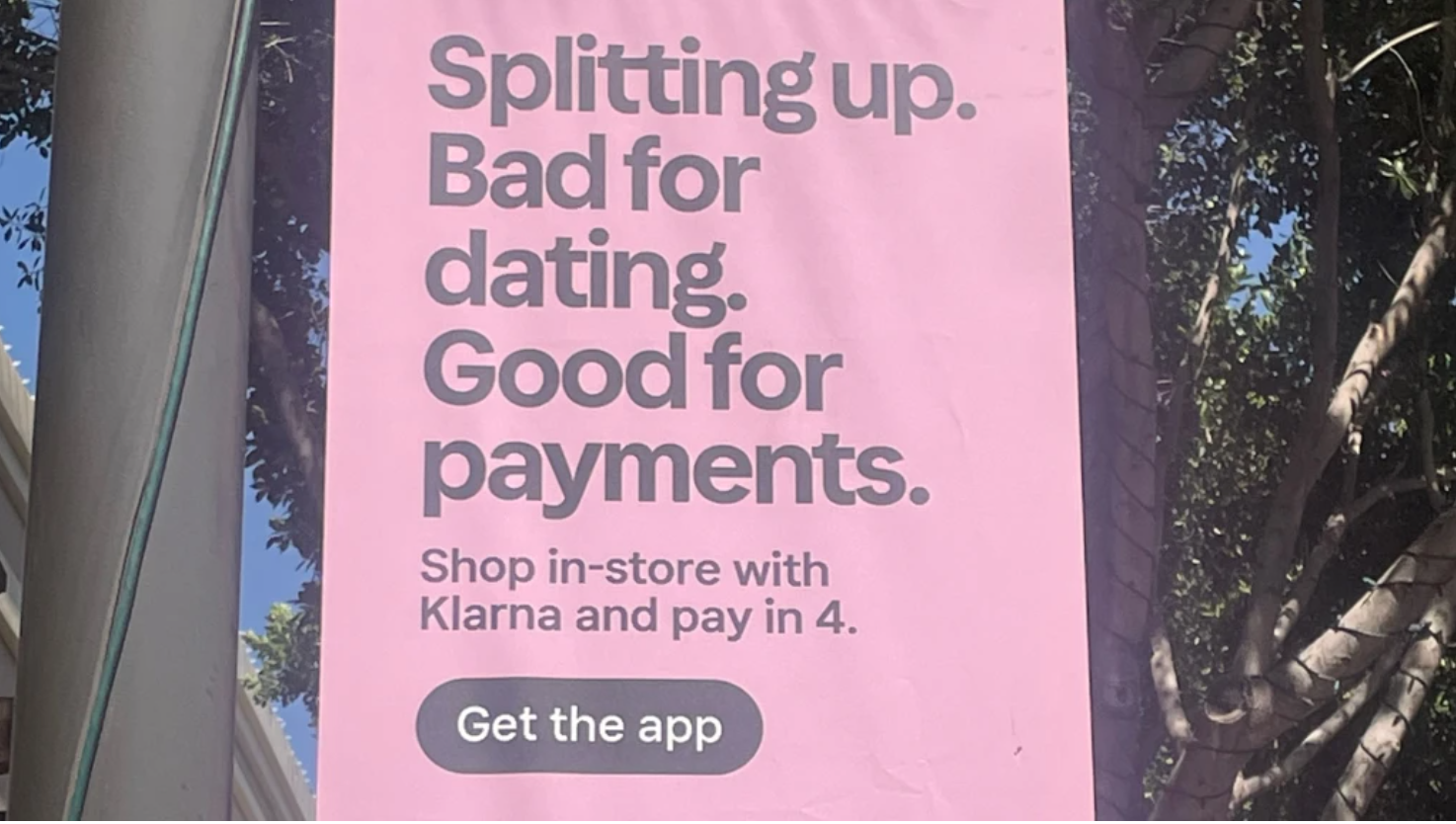
Many of the ‘buy-now, pay-later’ companies are not branded like regular loan sharks. Klarna, one of the most popular, sports bright colours, enticing fonts and includes big retail names in their portfolios.
Clearpay, another popular ‘buy-now, pay-later’ service, has its own shopping app, where customers can make retail purchases directly and stay informed about the latest offers and drops.
“We add new retailers and brands every week! From Anthropologie to JD Sports, Marks & Spencer to Urban Outfitters, find deals and the latest trends with Clearpay.” – Clearpay app
All of a sudden, debt is ‘cute’ and ‘goofy’; framed not as a difficulty, but as a choice.
“Little payments are so much cuter.” – Cash App marketing campaign
Despite the colourful veneer, all ‘buy-now, pay-later’ services operate on the same principles as any money lending company: they charge fees for extending your payment due date, and they charge additional late fees if this new date is not met. The colourful marketing and encouragements to live ‘in the moment’ are simply an additional layer to an age-old business model.
Issues with regulation: who is most affected?
‘Buy-now, pay-later’ services are currently an unregulated form of credit, meaning that users have little protection if something goes wrong. However, in May 2025, the UK government announced that ‘buy-now, pay-later’ shoppers will gain stronger rights and clearer protections under new rules – including upfront checks to make sure people can repay what they borrow, clear and accessible information on payment plans, free support to debt advice if needed, and the right to complain to the Financial Ombudsman. These are due to be fully implemented in July 2026 by the Financial Conduct Authority.
Women make up the majority of ‘buy-now, pay-later’ users, and are 68 percent more likely to use pay instalments. This is reflected in marketing, with many services adopting a feminine approach, including Klarna’s influencer programme that mostly features female creators.
A 2022 study found that 42% of British 16-to-24-year-olds used a ‘buy-now, pay-later’ service, reflecting our concerns that young people, often on the lower end of minimum wage or graduate salaries, are spending beyond their means. It highlights an increasing pressure to overconsume when so many young people are living in house shares or moving back in with their parents. Afterall, if you can’t afford a house, at least you can buy a new outfit.
OnlyFans and Child Support: Gamifying Credit
Imagine gambling with your personal finances to make ends meet. For many young people, this is the reality.
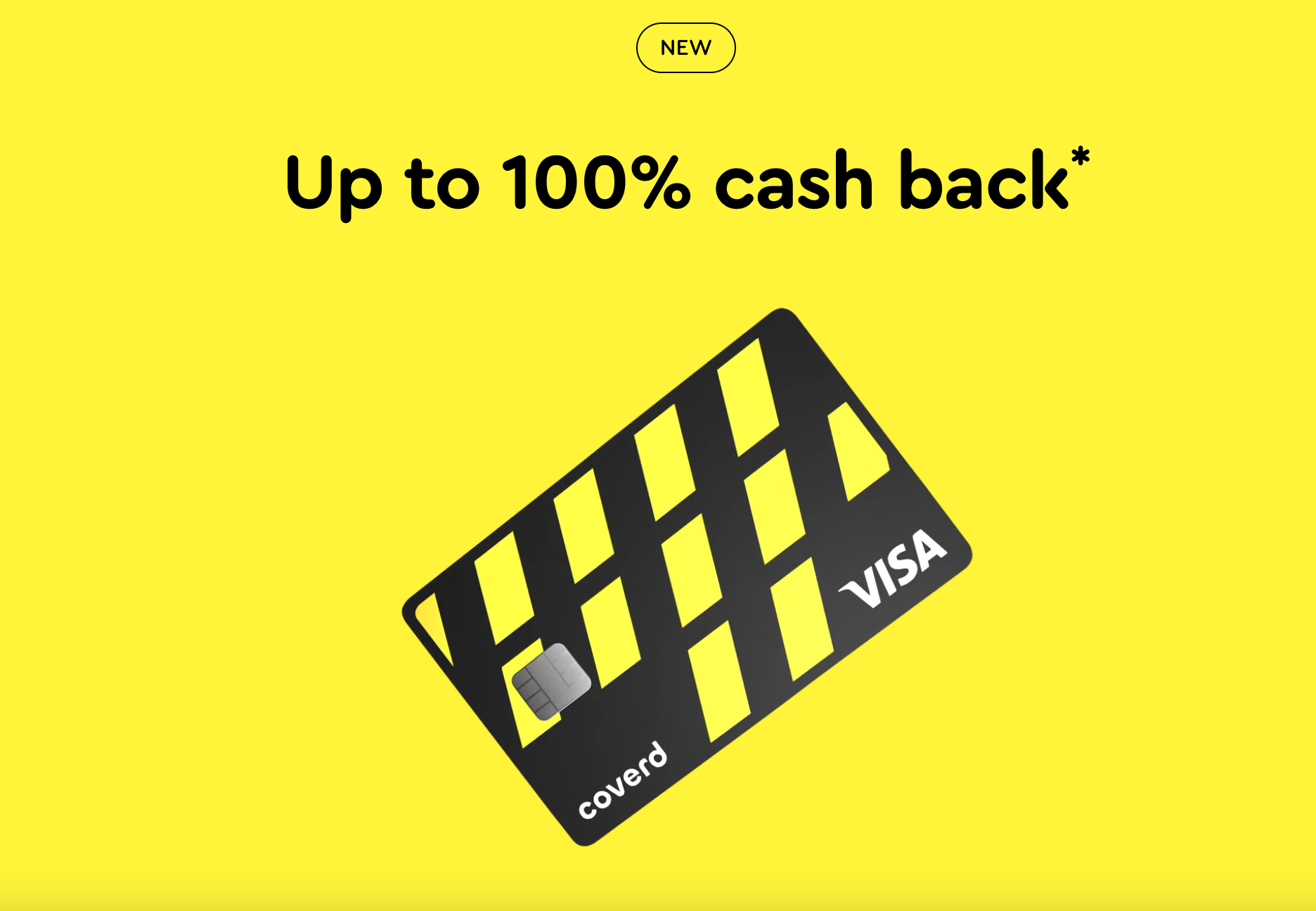
Coverd is a fintech app that takes personal finance and creates a so-called gamified experience by allowing people to bet against their credit card bills. Its own credit card, featuring ‘gaming features embedded,’ is set to launch this year (2026).
Players can purchase game tokens to enter chance sweepstakes. If they win a sweepstake, some or all of their credit card debt is paid off. If they lose, no debt is paid off, and they have lost the additional money from purchasing game tokens.
Reports around Coverd have been limited, but some Reddit users have picked it up and sparked debate online, expressing distaste at a company that feeds off those in financial difficulty.
“I’m genuinely baffled how VCs [venture capitalists] looked at this and thought, 'yes, this is what society needs right now’.” – Reddit user
“All forms of mobile gambling need to be outlawed, it's a parasitic industry that serves no purpose but to separate its ‘customers’ from their money. At the very least, these things need tobacco-style warning labels all over them.” – Reddit user
“That’s it, folks, we’ve hit absolute peak late-stage capitalism.” – Reddit user
Coverd’s marketing strategy appears to target men. It ‘shames’ certain debt with the option to ‘wipe’ it from your credit by playing casino games.
“Bet on your bills – OnlyFans, child support and last night’s Uber. Wipe them from your credit card by playing your favourite casino games all from the comfort of our app.” – Coverd marketing campaign
Coverd highlights a new kind of financial harm that encourages users to view their financial lives as a big every-day casino, seemingly without any sensitivity to the risks this can involve. By glamourising the gambler lifestyle, it might even actively encourage debt as a means to make more money than you started out with.
“We looked at the $1.1 trillion in credit card debt in America and realised: people don’t need more budgeting lectures – they need motivation. We’re building a system that rewards progress and adds joy to a painful part of people’s financial lives.” – Albert Wang, co-founder of Coverd.
Do the games bring joy, or false hope? The element of chance keeps players playing, in the belief that a credit card bill could be wiped forever. We know that gambling is addictive, with three in five young people exposed to gambling, and nearly half of them gambling in 2025. Arcade machines are the most prevalent form of gambling among this age group – the exact type of games Coverd delivers virtually.
Payday Loans
A payday loan is a short-term, high-interest loan designed to ‘tie you over’ until payday. When payday comes round, the loan gets paid off – often leaving the person short of money.
This creates a cycle of continuous usage; borrowing more money to cover the loan from before.
Young people have reported owing thousands of pounds in just a few months after taking out a loan, heightened by the increasingly painful cost of living, soaring rent and low salaries.
‘Layla’, a member of our young community, explains why she took out a payday loan: “I used the loan to help with savings and expenses over the holidays. The interest rate was about 30.5%.
“It really impacted my anxiety in the first few months of having to make sure I was paying it back every week.”
While payday loans do require a credit check, you do not need good credit to be approved for one. This is why payday loans are particularly exploitative towards young people, with research from the Wales Illegal Money Lending Unit finding that rising numbers of young people under the age of 30 are borrowing from unlicensed lenders through social media. In 2024, the Financial Conduct Authority took action against nine individuals and ‘finfluencers’ (financial influencers) for promoting an unauthorised trading scheme.
But this hasn’t stopped the problem. Layla tells us that young people are still turning to payday loans for support: “Young people are 100% turning to loans like these. I found them because I was looking up side hustles or how to make money fast during work, because I was desperate. I found them and booked an appointment for the very next day.”
The increasing prevalence of endless debt cycles is normalising a problem that no one should have to face. Young people are told that debt is part and parcel, that it’s ‘cute’ and ‘quirky’, and the quick answer to financial difficulty. ‘Finfluencers’ sell unregulated credit and get rich-quick schemes, while fintech apps are gamifying debt at the expense of young people who, in a hyperconsumerist world, feel pressured to spend.
“The content I was seeing on social media only made things worse. Many influencers claimed that making money online was quick and easy, often promoting a “side hustle” just to sell their own courses. While some may have been truthful, most had already painted a bad image of themselves before my eyes. Seeing these disappointing results every day drained my spirit and made me lose hope.” – REDINK, VoiceBox content creator
Escaping the cycle
Layla thinks more needs to be done to manage forms of ‘quick cash’ and equip young people with financial literacy; “financial regulators need to crack down on high-interest loans and coercive marketing. I literally learned nothing about looking after my money at school, but I know everything about getting hold of cash when you’ve got pennies in the bank. It feels almost dystopian.”
The regulation around ‘buy-now, pay-later’ services due to be introduced next month in the UK is a welcome development. However, this is a reactive rather than proactive solution. Young people deserve solid and informed education on managing their finances and a comprehensive overview of why debt has begun to play such an all-encompassing role in their lives.
More work is needed to explore why young people are turning to alternative financial advice and ‘buy-now, pay-later services’. Why are we increasingly adopting a gamified model when it comes to money? Does the issue lie in a loss of hope in traditional financial institutions and investment practices, or in the willingness of companies to identify addictive behaviours and exploit them?
Whatever the root cause, this increasingly unpredictable financial landscape will be impacting young people most of all, and without effective financial literacy skills many will be left stuck in a spiralling cycle of debt.
Support Young Creators Like This One!
VoiceBox is a platform built to help young creators thrive. We believe that sharing thoughtful, high-quality content deserves pay even if your audience isn’t 100,000 strong.
But here's the thing: while you enjoy free content, our young contributors from all over the world are fairly compensated for their work. To keep this up, we need your help.
Will you join our community of supporters?
Your donation, no matter the size, makes a real difference. It allows us to:
- Compensate young creators for their work
- Maintain a safe, ad-free environment
- Continue providing high-quality, free content, including research reports and insights into youth issues
- Highlight youth voices and unique perspectives from cultures around the world
Your generosity fuels our mission! By supporting VoiceBox, you are directly supporting young people and showing that you value what they have to say.