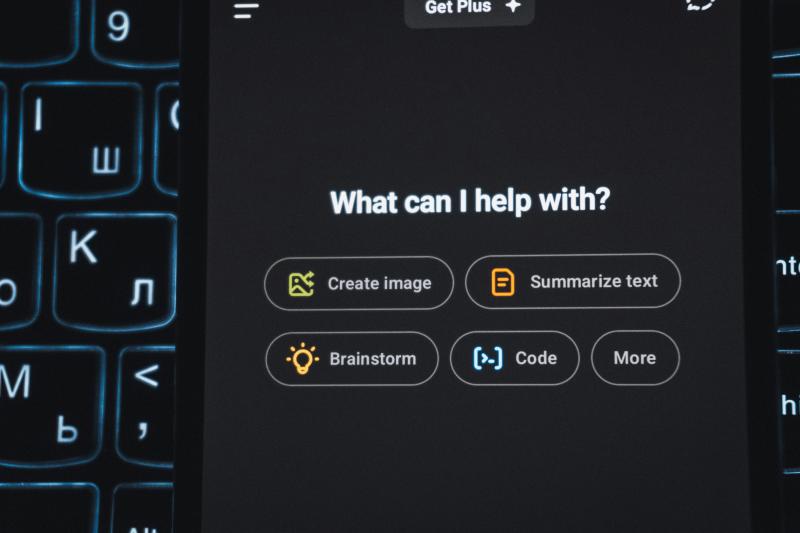

For the third time, in what can only be described as a masochistic anxiety ritual, I have redownloaded Hinge.
Truthfully, no more can be said or written or podcasted about how antithetical dating apps are to the traditional romantic meet-cute. The friend setting you up is now encouraging you to choose from an AI-generated set of prompts, or to try and ensnare potential dates with multiple-choice polls. I find it difficult to form romantic attachments so soon after meeting someone anyway, so I find myself wondering why I keep being dragged back into the life cycle of dating apps.
Simply put: everyone is on them. Which is funny, if you consider how narrow the dating pool appears to be when you’re actually in the thick of it. I’m bisexual, so my options are set to everyone within a fairly close radius to where I live—so why am I only being shown men from hundreds of miles away? I have made very few matches, which has, surprisingly, brought up a degree of shame. It’s difficult to pinpoint why, exactly. The reason for the very few matches isn’t due to a lack of ‘likes’ received (she says modestly), but rather because of my inability to form a connection with someone’s personality distilled into a few pictures and prompts. The advent of voice note prompts has added a dimension of reality to the increasingly 2D world of Hinge, but the swipe-left-swipe-right gamification of dating reduces these real people with wants and needs to set pieces. I am unable to imagine a potential partner from a series of captioned selfies. With that being said, the way we form connections, platonic and romantic, has shifted drastically in just the last few years; much of this is down to extended periods of isolation during the pandemic, when our primary mode of communication became social media. But dating apps were a booming industry, and pretty standard for single people of all ages even pre-COVID, so why have we not been able to adjust accordingly? Or, why have I not been able to adjust?
‘Going back’ to a dating app is seen as a point of shame— yielding to an inherently unnatural way of finding love. Hence, in part, why my own return to Hinge carried so many guilty feelings along with it; it was as if I was admitting defeat. And, as weirdly difficult as it can be to admit, I would like to find love. How strange is it that saying that has become a weird thing to say? I don’t believe that it’s considered old-fashioned. I think people—particularly women— worry that wanting love is somehow indicative of a lack of self-empowerment or independence. Historically, so much of women’s worth has been tethered to their role as the submissive partner, a spouse’s property. But today we continue to progress into an era where women can be both independent and have fulfilling romantic relationships without compromising said independence. While there is quite a way left to go (as evidenced by my inability to make more than three matches on a dating app with little to no bearing on my real life) I have been putting in the work to unlink the fear of lessening myself from my desire for a romantic relationship.
There’s an element of unintuitiveness in (what is advertised to us as) the intuitiveness of dating apps. The app develops an algorithm based off of your existing likes and matches, showing you similar-minded, similar-aged, similar-looking people in the hopes of formulating your perfect match. Your decisions are, for the most part, primal. A lot of us will be familiar with friends asking to take over their Hinge in order to play the ‘swiping game’, judging solely off the top image. I have also been guilty of doing so, not even taking the time to look through someone’s answers if they aren’t someone I find immediately attractive. From the few real-life relationships I have had, however, this is not something I would put into practice. Romance has usually formed from platonic relationships, and I would consider myself incredibly shallow for choosing friends on the basis of attractiveness. Certainly, I would not want to be judged similarly in the real world. In fact, I have been judged similarly, and it has become a huge barrier to my self-esteem. Yet, we’re expected to normalise making a snap judgement for—convenience? By letting instinct take over, we remove not just pretence, but all the awkward, human joys that come with getting to know someone. Still, there’s no use in lamenting the death of the meet cute if people aren’t out meeting to begin cute-ing.
That’s not to say dating in real life is completely dead. A friend of a friend has been successfully running matchmaking and speed dating events for the queer community for some time. As Maja Anushka reported for The Independent, ‘singles’ nights like Lucy Rout’s Haystack Dating are gaining traction for endeavouring to renew the spontaneity of in-person dating. Even dating apps are catching up to the consumer’s want for face-to-face meeting. Breeze, an app that forgoes the talking stage and sets up dates from a small curated list generated daily, is becoming increasingly popular among those sick of relearning online-specific dating etiquette. This gives me some faith in the future of romance, particularly mine. I doubt that I’m brave enough (yet) to launch myself into speed dating, but I am heartened by the pushback against an entirely digital love life. Still, there is no denying that dating apps have been a hugely useful tool for many, and their experiences are not to be derided. Perhaps what we really mean when we say that we’re sick of dating apps is that we’re sick of the restrictions we place on ourselves when we use them—an all-or-nothing mentality that is helping no one.
And, if you must know, I did end up going on not one, but two dates through Hinge. It’s a record! Ultimately, I felt that we’d be better suited as friends, but despite the initial wall of fear, I felt proud that I’d managed to force myself out of my comfort zone. I’m reaching a stage of my twenties where many, if not most, of my friends are in committed long-term relationships; I’m not going to berate myself for not being where they are. The dating landscape is constantly evolving, and while apps drum into us that they are capable of suiting everyone’s needs, I think it would be useful not to restrict ourselves to either one or the other. Not to stray too much into the world of Teachable Moments, but I do think there is something to be gleaned here. Let’s be kinder to ourselves for being open to love. As bell hooks said in All About Love: ‘When we love we can let our hearts speak’.
Support Young Creators Like This One!
VoiceBox is a platform built to help young creators thrive. We believe that sharing thoughtful, high-quality content deserves pay even if your audience isn’t 100,000 strong.
But here's the thing: while you enjoy free content, our young contributors from all over the world are fairly compensated for their work. To keep this up, we need your help.
Will you join our community of supporters?
Your donation, no matter the size, makes a real difference. It allows us to:
- Compensate young creators for their work
- Maintain a safe, ad-free environment
- Continue providing high-quality, free content, including research reports and insights into youth issues
- Highlight youth voices and unique perspectives from cultures around the world
Your generosity fuels our mission! By supporting VoiceBox, you are directly supporting young people and showing that you value what they have to say.