Ownership Crisis
In July 2026, PlayStation announced that they will move away from releasing physical editions of their games after January 2028. This announcement was sad to me, but also got me thinking about physical media more widely and the importance of having continued access to it. Streaming and digitisation have changed the way we consume media, taking away our reliance on media to be permanent and unchanging from the day we first consumed it.
This shift began with music. Instead of buying a CD when your favourite artist’s new album dropped, many of us now pay a subscription to a streaming service like Spotify. This change is beginning to impact the gaming world too. Opening a game case no longer guarantees a shiny, physical disc inside, instead you receive a flimsy piece of paper with a download code on it. Most of the media we now enjoy can’t be held in our hands anymore.
Why is physical media important?
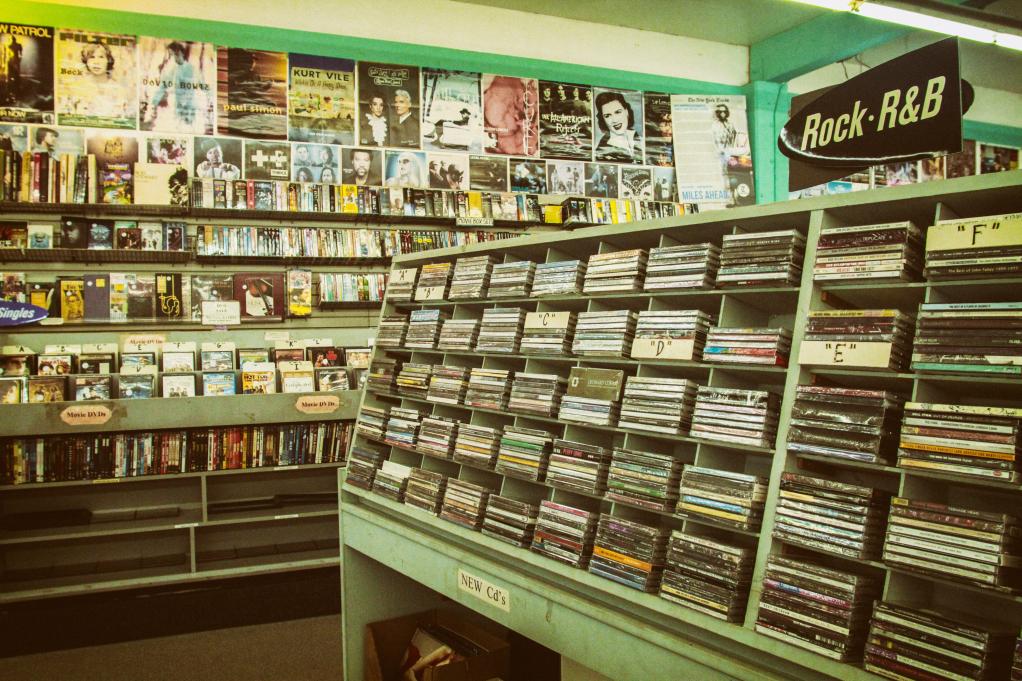
One of the greatest benefits of physical media is real, permanent ownership. Buying CDs, vinyls, games and other physical media means that they can’t be taken away from you if a license expires or a company decides to remove it from a streaming platform. As digital libraries expand, ownership is replaced with access.
Physical media also gives entertainment a new life. After you’ve used it, you can easily lend it to a friend, sell it, or donate it to a charity shop for someone else to discover. Buying second hand media means supporting local charity shops and independent businesses. Another advantage of this is that you can divest your money from artists and creators who you don’t want to support.
Collecting physical media offers an experience that digital services struggle to replicate. There is something deeply satisfying about searching through charity shops for a record you've wanted for years and finally finding it. Music journalist Alexa Leahy has described this excitement as part of the appeal of collecting. It’s enjoyable to listen to the characterful sound of a vinyl or CD without the instant gratification of listening to it on a streaming app.
Physical media collecting is often criticised for its perceived environmental impact. But in reality, streaming costs the earth more than a CD player. According to The Conversation, streaming an album over the internet more than 27 times will likely use more energy than it takes to produce and manufacture the same CD. Despite the fact that physical products have an environmental cost, the effects of streaming can surpass that of physical listening depending on how frequently you do so, suggesting that the sustainability debate is less straightforward than it first appears.
Physical media also offers a distraction-free experience. Listening to music on a CD or record player means there are no adverts interrupting your favourite album, no subscription tiers to unlock features, and no dependence on an internet connection. In a world where we are bombarded by ads at every turn, most physical media offers a welcome break from that.
That said, collecting physical media isn't without its drawbacks. Even if you buy second-hand, the initial cost of a record player, CD player or games console can be significant. Digital streaming is undeniably more convenient and often cheaper in the short term, which helps explain why so many people have embraced it.
As entertainment becomes increasingly digital, the debate is no longer simply about convenience: it's about ownership. Physical media gives people lasting control over the things they buy, allows them to share and preserve them, and supports local communities in ways that digital purchases often cannot. In a world where access is increasingly rented rather than owned, physical media remains more valuable than ever.
Support Young Creators Like This One!
VoiceBox is a platform built to help young creators thrive. We believe that sharing thoughtful, high-quality content deserves pay even if your audience isn’t 100,000 strong.
But here's the thing: while you enjoy free content, our young contributors from all over the world are fairly compensated for their work. To keep this up, we need your help.
Will you join our community of supporters?
Your donation, no matter the size, makes a real difference. It allows us to:
- Compensate young creators for their work
- Maintain a safe, ad-free environment
- Continue providing high-quality, free content, including research reports and insights into youth issues
- Highlight youth voices and unique perspectives from cultures around the world
Your generosity fuels our mission! By supporting VoiceBox, you are directly supporting young people and showing that you value what they have to say.