

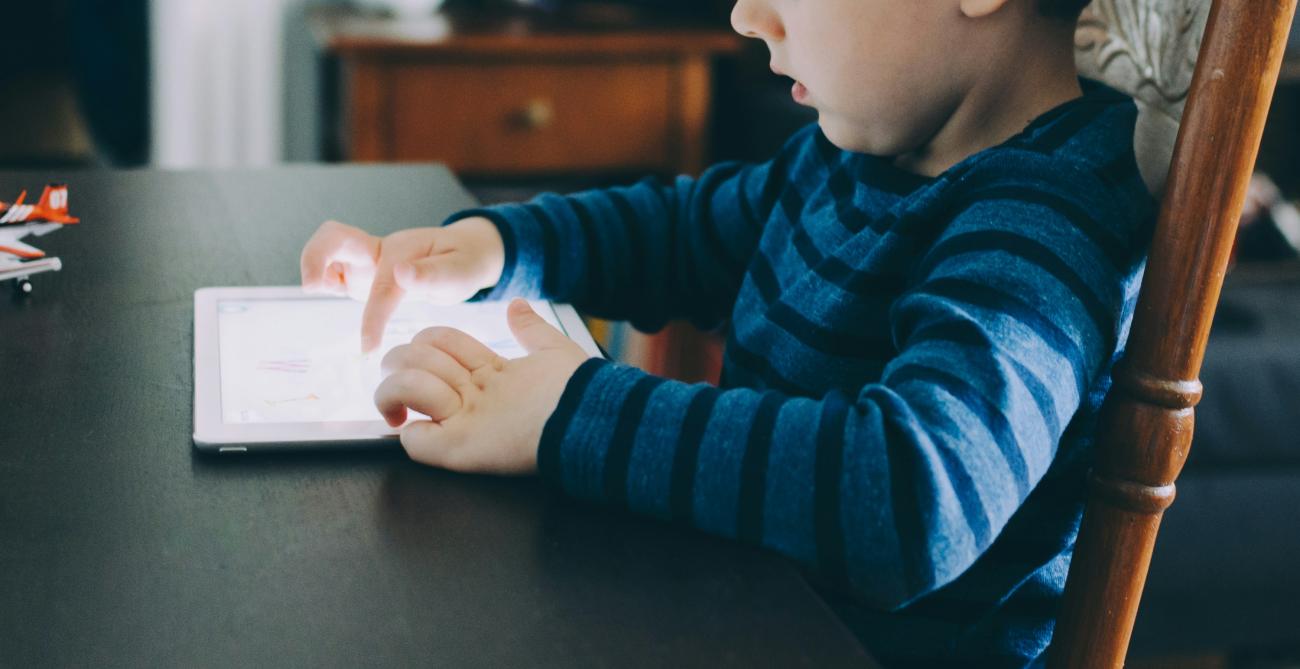
Being a cashier presents you with a unique snapshot of everyday life. Up there at the register, ringing up customers, you are faced with people at different stages of their existence. Some people spend hours at the store wheeling around a shopping cart and filling it up like they’re a warrior collecting loot. Other customers practically run into the store, slinking to the aisle they need, using self-checkout to make their exit even faster. Despite what a lot of people think, cashiers rarely judge. By a certain point, you have seen everything, and little is exciting. As for myself, I pride myself on my ability to be polite, so I try to greet everyone and their purchases with kindness. However, in my glimpse into people's lives, I’ve seen something that has shocked me a bit. It’s something I knew was happening, but being confronted with it day in and day out has shocked me. People are letting phones raise their kids.
Since technology has started making its way into the homes of everyday people, there have been fierce debates about how much access a child should have. In 1936, the radio was described as a “new invader” that caused a change in the behavior of children, while TV was blamed in 1950 for causing over-aggression. Fear and trepidation seems to be the initial reaction to widespread adoption of new technologies, especially if younger people are adopting it first, which tends to happen. It’s easy to write off the discourse about the role of technology in today's society as being a part of this human trend. However, there has simply never been this access to technology before; it’s constant. Tablets, smartphones, smart watches, and even vapes now have screens on them. A study by Common Sense Media discovered that Forty percent of children have a tablet by age 2, and nearly 1 in 4 have a personal cellphone by age 8.
Parenting is a lot of work. It is not a job where someone can just clock out at 5 pm. It’s easy to empathize with stressed parents who don’t know or don’t have the energy to entertain their kids on their multiple errands. The downside to this convenience is that children's attention spans are already becoming accustomed to short-form content, which is not made to the highest standards and can lead to problems like academic issues, diminished social skills, eye problems, mental health issues, and sleep problems. I have babysat and taught at a summer camp. I know the feeling of hour 5 with a child who wants to do everything, touch everything, cries, gets angry etc. Of course, that's not the same as parenting 24/7, but what I’m worried about in the future is that our giving up on spending time with our kids in public in the name of convenience will set them back and hinder their chances in the future. I have seen children not even look up the entire time they were with their parents in the store. They don’t look around, don’t ask questions about the world around them. We should be nurturing their curiosity in the reality they experience, not what a random TikToker is doing for clicks.
Constant technology can become a class signifier in the opposite way it once was. 50 years ago, owning the latest technology was a sign of your wealth and status. Now, detaching from social media, going on retreats and spending your time away from it all becomes the new way to show your difference. Wealthier kids will have nannies who can spend more time with them and access to more enriching toys and entertainment.
We as a society stand at a crossroads where technology is moving faster than we are, and we have not had real time to adjust to it and figure out its long term impacts. As a cashier, I see customers who have no idea really how to use their phones, and I see young children listen to AI generated ABCS out loud while their parents stroll around. We live in a world where so many people are disconnected from one another. People are overexposed to so much content that they find it hard to empathize with their neighbor. For the sake of the future for the new generations, I believe it is vital we engage with and put our resources and time into making sure our children experience a balance between screentime and the real-world.
Support Young Creators Like This One!
VoiceBox is a platform built to help young creators thrive. We believe that sharing thoughtful, high-quality content deserves pay even if your audience isn’t 100,000 strong.
But here's the thing: while you enjoy free content, our young contributors from all over the world are fairly compensated for their work. To keep this up, we need your help.
Will you join our community of supporters?
Your donation, no matter the size, makes a real difference. It allows us to:
- Compensate young creators for their work
- Maintain a safe, ad-free environment
- Continue providing high-quality, free content, including research reports and insights into youth issues
- Highlight youth voices and unique perspectives from cultures around the world
Your generosity fuels our mission! By supporting VoiceBox, you are directly supporting young people and showing that you value what they have to say.