Let’s be honest: accommodating autism can still be a challenge for many people. It’s not always about ignorance or lack of training; sometimes it’s uncertainty, discomfort, or simply not knowing how to respond. The reasons for resistance vary, but behind each challenge usually lies a simple fix that costs little and can make life immeasurably better. The question isn’t whether accommodations are possible. It’s whether people are willing.
1. Because Autism Is Often 'Invisible'
When autism doesn’t fit stereotypes, it can be hard for others to understand or believe. A formal diagnosis should be enough, but sometimes people expect visible signs before offering support. The fix here is not complicated: trust people when they explain their needs. In workplaces, this means HR policies that recognise invisible disabilities so employees aren’t forced into endless proof-gathering. In healthcare, it means training staff to listen without demanding visible crisis as evidence. On an everyday level, it means resisting the reflexive “you don’t look autistic.”
2. Because It May Feel Like An Inconvenience
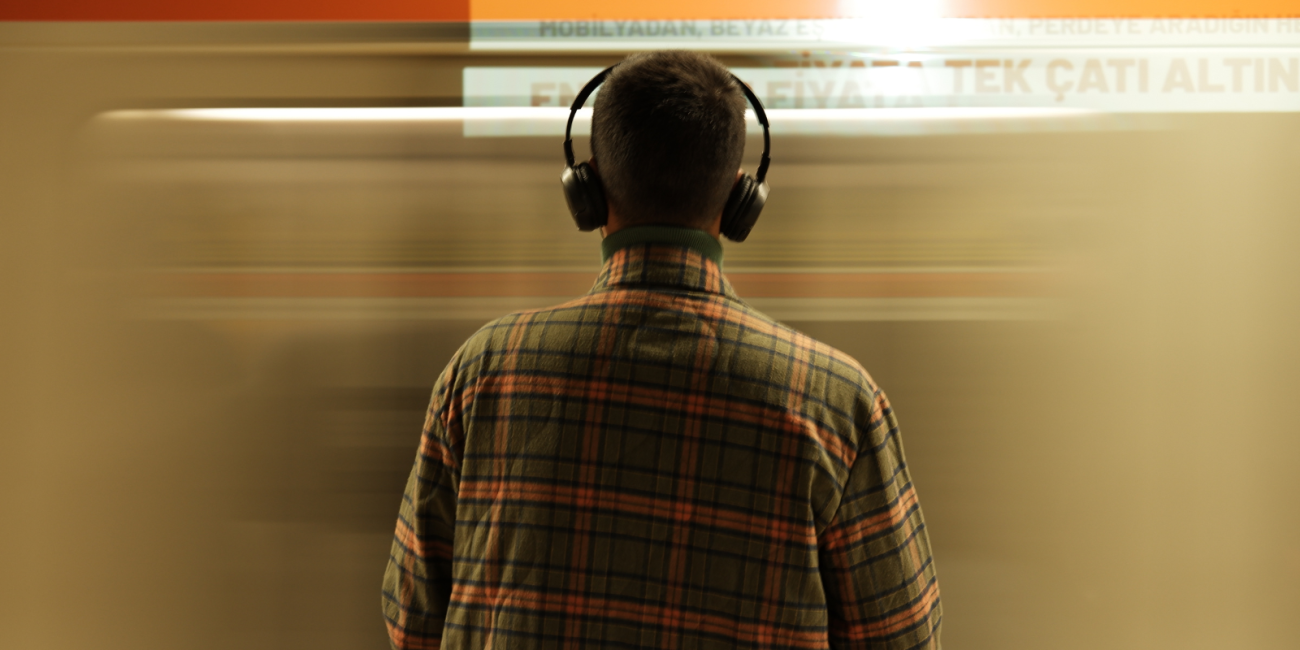
Accommodations often aren't about major physical changes but about simple adjustments, such as lowering lights, allowing headphones, communicating clearly, and giving notice before changing plans. These don’t require big budgets, but they do ask people to adjust their habits.
The fix is to embed inclusion into the default. Offices can standardise agenda-sharing before meetings, provide quiet rooms and offer hybrid participation.
Schools can prioritise predictable timetables and consistent communication with families.
Public spaces can make announcements both visually and audibly. What helps autistic people usually benefits everyone.
3. Because Difference Can Feel Uncomfortable
It’s common for people to misunderstand or feel unsure about differences.
Sometimes accommodations are seen as special perks rather than necessary supports.
The contempt seeps out in sighs when you ask for instructions to be repeated, in jokes about “snowflakes,” in managers quietly passing you over for promotion.
The fix is to dismantle the myth of special privilege. Accommodations are not perks. They are the minimum needed for equal participation. It’s important to challenge the myths by affirming that accommodations enable equal participation. Holding leaders accountable for inclusive practices and incorporating neurodiversity into anti-bullying efforts can help shift mindsets.
4. Because They Think It’s Unfair
Many people measure fairness through the lens of their own burdens. If they are caring for elderly parents, juggling childcare or battling workplace stress, they may bristle at the idea of adapting for others. “Why should I bend when I already have so much on my plate?” becomes the unspoken refrain.
But fairness is not a competition. Struggles are not mutually exclusive. Accommodations for autistic people do not erase anyone else’s difficulties; they simply widen the circle of support.
Flexible policies that support carers, disabled employees, and families alike benefit whole communities by making systems more accessible and fair. Accommodating autism doesn’t cancel out other hardships. It levels the field.
5. Because They Think It Will Never Be Them
Sometimes autism is thought of as something that affects “other” people’s children, not ourselves. That distance breeds indifference.
But disability is never as far away as people think. Late diagnosis is common. Health crises can make previously “independent” people reliant on systems they once ignored. Building inclusive practices now is an investment in your own future dignity.
Employers can normalise this by including neurodiversity in wellbeing campaigns, showing that needs may change across careers. Public bodies can highlight stories of late-diagnosed adults to counter the myth that autism only exists in childhood. Shifting the perspective from “them” to “us” is the first step towards empathy.
The Better Truth
In reality, accommodating autism is about making thoughtful, everyday choices: listening instead of dismissing, adapting instead of resisting, and recognising that supporting one person’s needs doesn’t diminish anyone else’s dignity.
Policies designed with accessibility in mind reduce the need for individuals to plead for scraps of understanding. What once looked like “too much trouble” becomes the expected baseline. That is when excuses disappear, and respect becomes the norm rather than the exception.
Accommodating autism is not about political correctness or special treatment. It is about whether we are willing to share the world we live in. The ugly truth is that there are many people who are not. The better truth is that we could be, and the cost is far lower than the excuses suggest.
Support Young Creators Like This One!
VoiceBox is a platform built to help young creators thrive. We believe that sharing thoughtful, high-quality content deserves pay even if your audience isn’t 100,000 strong.
But here's the thing: while you enjoy free content, our young contributors from all over the world are fairly compensated for their work. To keep this up, we need your help.
Will you join our community of supporters?
Your donation, no matter the size, makes a real difference. It allows us to:
- Compensate young creators for their work
- Maintain a safe, ad-free environment
- Continue providing high-quality, free content, including research reports and insights into youth issues
- Highlight youth voices and unique perspectives from cultures around the world
Your generosity fuels our mission! By supporting VoiceBox, you are directly supporting young people and showing that you value what they have to say.