

When constitutional reform is reduced to partisan electoral tactics, simplistic age-threshold comparisons, or selective concerns about education, the quality of debate suffers. Votes at 16 demands a far more principled argument if it is to deliver meaningful change.
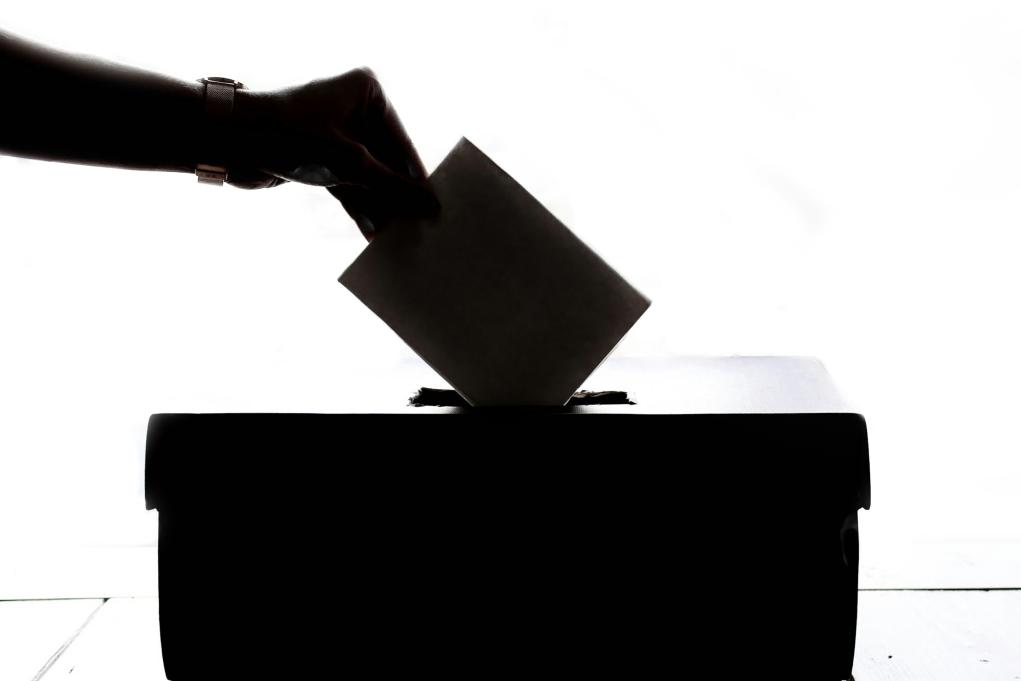
The UK Government has announced plans to lower the voting age from 18 to 16. First set out in July 2025, the proposal is now moving through Parliament via the Representation of the People Bill. The Bill would extend the franchise to 16- and 17-year-olds in UK general elections and in local elections in England and Northern Ireland. (Scotland and Wales have allowed 16- and 17-year-olds to vote in devolved parliamentary and local elections since 2015 and 2020, respectively.)
As someone who has long advocated for stronger youth participation in democracy – and whose first time voting was as a 16-year-old in the 2021 Scottish Parliament election – I welcome the reform. What I do not welcome, however, is the quality of debate surrounding it, from both critics and supporters.
If “Votes at 16” is to embed lasting practical reforms and foster a genuine cultural shift in how society treats young people as democratic actors, whether in the UK or anywhere else considering similar reforms, the case for it must be made on solid, principled grounds.
“Election-rigging” and “backfiring”
Opponents frequently frame the proposal as “election-rigging” – suggesting that expanding the electorate would unfairly tilt the political balance – or speculate about whether it might “backfire” on the governing party.
Both arguments completely miss the point.
Even if there were clear, robust evidence that younger voters lean in a particular direction – and to be clear, young people are not a monolith, with political views shaped by identity, circumstances, and belief – that would not justify exclusion. (The logic would be no different from disenfranchising, say, over-70s because they may tend to vote a certain way.)
Democratic rights should not be contingent on predicted party preference.
As for whether the change would benefit or harm any particular party: that’s perhaps politically interesting, but it’s constitutionally irrelevant. The principle at stake is whether the franchise should include 16- and 17-year-olds. Party (dis)advantage is a distraction.
“16-year-olds can do XYZ, so they should be able to vote too.”
Supporters, meanwhile, often rely on the following argument: that because (in the UK) 16-year-olds can be in employment, pay tax, or join the military, they should therefore be able to vote.
This line of reasoning is rhetorically appealing but logically weak. 14-year-olds can work in limited circumstances; anyone, regardless of age, can pay income tax if they earn enough; while 16-year-olds may enlist, they cannot serve in combat roles. Age thresholds can also shift over time: for example, in England and Wales, the minimum age for marriage and cigarette purchases has been raised from 16 to 18. If many other thresholds move then, surely, under this reasoning, the case for votes at 16 evaporates.
The real case for votes at 16
The argument for extending the franchise must stand on firmer ground. Reactionary reasoning – whether partisan scaremongering or superficial comparisons with other age-based activities – undermines the case.
We need a policy approach and a political culture that genuinely values young people’s voices.
There are two compelling reasons to support votes at 16.
First, democratic participation is habitual. Studies show that those who vote in one election – particularly one of the first two in which they are eligible – are significantly more likely to vote in subsequent elections. With young people consistently associated with low voter turnout, a failure to address the youth turnout gap now may lead to cyclical compounding disengagement, leading to an increasingly less representative democracy.
Second, young people’s voices carry intrinsic democratic worth, which should be reflected in law. Denying 16- and 17-year-olds the vote is not about protecting them from harm (as legal minimums often are) – there is no inherent danger in casting a ballot. Denying the vote would leave young people without electoral influence in a political system that inevitably shapes their lives.
This second point gives rise to another common objection: that young people lack the maturity or capacity to vote responsibly. These claims need to be questioned. As the case for participation has already been made – early engagement is vital, and young people’s voices matter – any argument against it must offer a similarly robust justification.
Education, education, education
Concerns of immaturity or incapacity often surface as insistence that young people must be “properly educated” before they can be trusted with the vote.
Education matters, of course. Lack of political knowledge can be a barrier to engagement, and early political literacy can bring long-term benefits. However, this argument seems to come up only in relation to young people and voting. It can begin to resemble a dog whistle – as if young people are uniquely ignorant and must be taught how to think before being permitted to participate.
But let’s not pretend this is only an issue for 16-year-olds, or that all young people lack political knowledge. Many adults fall for misinformation on social media or make political decisions based on very poor information. Equally, we should avoid painting all young people with the same brush – levels of political knowledge vary across the age group.
Education is not a prerequisite for democratic rights. Everyone could benefit from stronger political understanding – and it should not be deployed selectively as a means of electoral gatekeeping.
Conclusion
So, as the Representation of the People Bill makes its way through UK Parliament, my call is for everyone – especially political and civic leaders – to ensure they are making robust, principled arguments in favour of votes at 16.
This reform is far from the end of the process: being able to vote is one thing, but actually voting is another. Achieving meaningful participation requires ensuring the electoral process is fully accessible and addressing the broader issues of trust and disconnection that discourage young people from seeing politics as relevant to their lives.
Votes at 16 is not the final step, but it is a meaningful start towards lasting change – a change in which young people are recognised and treated as valued participants in politics and democracy.
Support Young Creators Like This One!
VoiceBox is a platform built to help young creators thrive. We believe that sharing thoughtful, high-quality content deserves pay even if your audience isn’t 100,000 strong.
But here's the thing: while you enjoy free content, our young contributors from all over the world are fairly compensated for their work. To keep this up, we need your help.
Will you join our community of supporters?
Your donation, no matter the size, makes a real difference. It allows us to:
- Compensate young creators for their work
- Maintain a safe, ad-free environment
- Continue providing high-quality, free content, including research reports and insights into youth issues
- Highlight youth voices and unique perspectives from cultures around the world
Your generosity fuels our mission! By supporting VoiceBox, you are directly supporting young people and showing that you value what they have to say.