
Background of the project
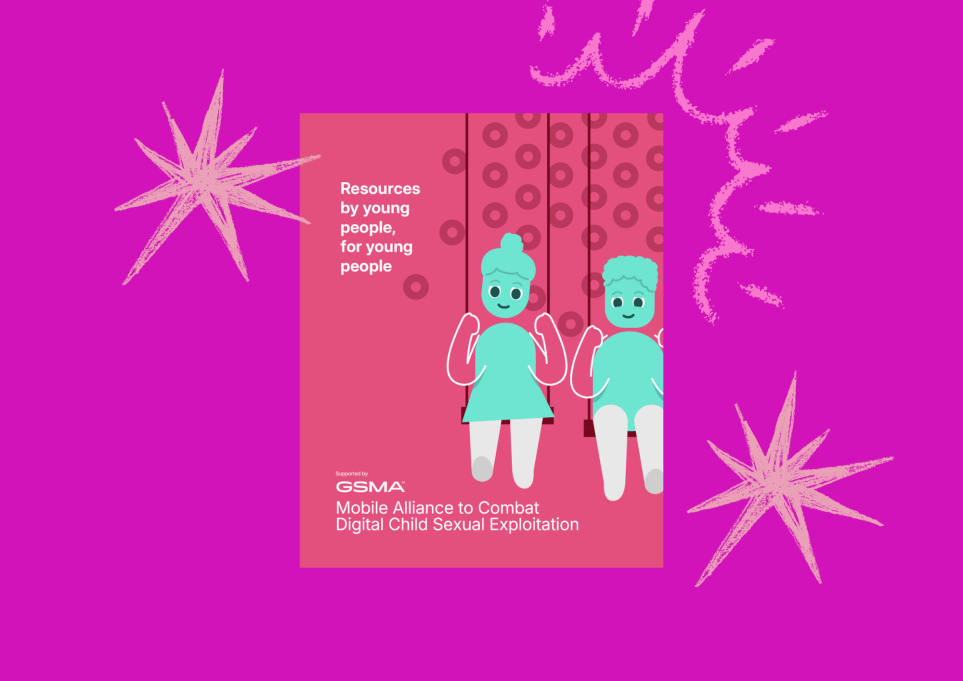
VoiceBox’s globally diverse ambassadors have come together with the GSMA to develop a series of online resources designed to explain what sexual extortion is, explore the culture that enables it and provide clear guidance for young people on how to respond and recover.
Ambassadors representing nine different countries came together for six expert-led sessions, followed by three co-production sessions. This approach allowed our ambassadors to expand their knowledge on the topic from various angles, while also ensuring that the resources reflected what they felt to be the most important issues.
The evolving landscape of sexual extortion
Sexual extortion is when someone threatens to share another person’s private sexual content unless that person meets their demands. We know that sexual extortion is on the rise, but we also know that it is evolving, and that the traditional picture of what it involves is no longer adequate.
Technology is playing an ever increasing role in facilitating sexual extortion, with 94% of threats and demands made through digital platforms. ‘Deepfakes’ and other AI generated sexual content has also escalated at an alarming rate, with the Internet Watch Foundation assessing 8,029 instances of AI generated videos of abuse in 2025. All this means that a young person doesn't even need to share an image of themselves to be extorted, as perpetrators can simply create a fake image that looks realistic.
Similarly, recent research from Thorn has shown that there is no one picture of who is most likely to be sexually extorted and what material can be used against a young person. For example, teenage boys are more vulnerable to financial extortion, while girls and young people in the LGBTQ+ community are significantly more likely to be extorted for further sexual content. Thorn’s research has also highlighted that peer-on-peer sexual extortion - where a young person is extorted by another young person that they may know in their offline life - is becoming increasingly common. In these instances, the demands a perpetrator makes are more likely to involve pressuring the young person to, for example, remain in a relationship they do not want to be in.
All this shows that young people and the adults around them need resources that genuinely reflect this landscape and that are sensitive to the backgrounds they might be coming from.
The experts
VoiceBox and the GSMA recruited a series of experts from a variety of disciplines including law enforcement, child protection and psychology. These experts each held a session for the group on their specialist topic, giving the ambassadors access to in-depth information and also the space to ask questions. Like the ambassadors, the experts represented a range of different countries and disciplines, allowing the project to explore the issue of sexual extortion from numerous angles. This resulted in active discussion between ambassadors about what was most important to include in the resources, and in resources that showcase the complexity of sexual extortion and the flexibility needed from both young people and the culture at large to tackle it.
The co-production sessions
Our three co-production sessions were facilitated by VoiceBox staff to ensure that the ambassadors had space and time to work on the resources together. The virtual nature of the sessions allowed for the ambassadors from multiple different time zones to come together and discuss their opinions in more detail. Similarly, the virtual set-up improved accessibility, as ambassadors were able to interact with each other via a variety of formats including the chat function and whiteboard.
Ambassadors were given a draft of each resource after consolidating their learning from the expert sessions. Within the co-production sessions, each ambassador was able to bring their own unique perspective to the resources and to reflect on whether it would be accessible and useful to another young person in their own community. Having these discussions together ensured that the resources were able to capture the diversity within experiences of sexual extortion and that they were sensitive to the specific difficulties that certain geographical regions face.
The final product
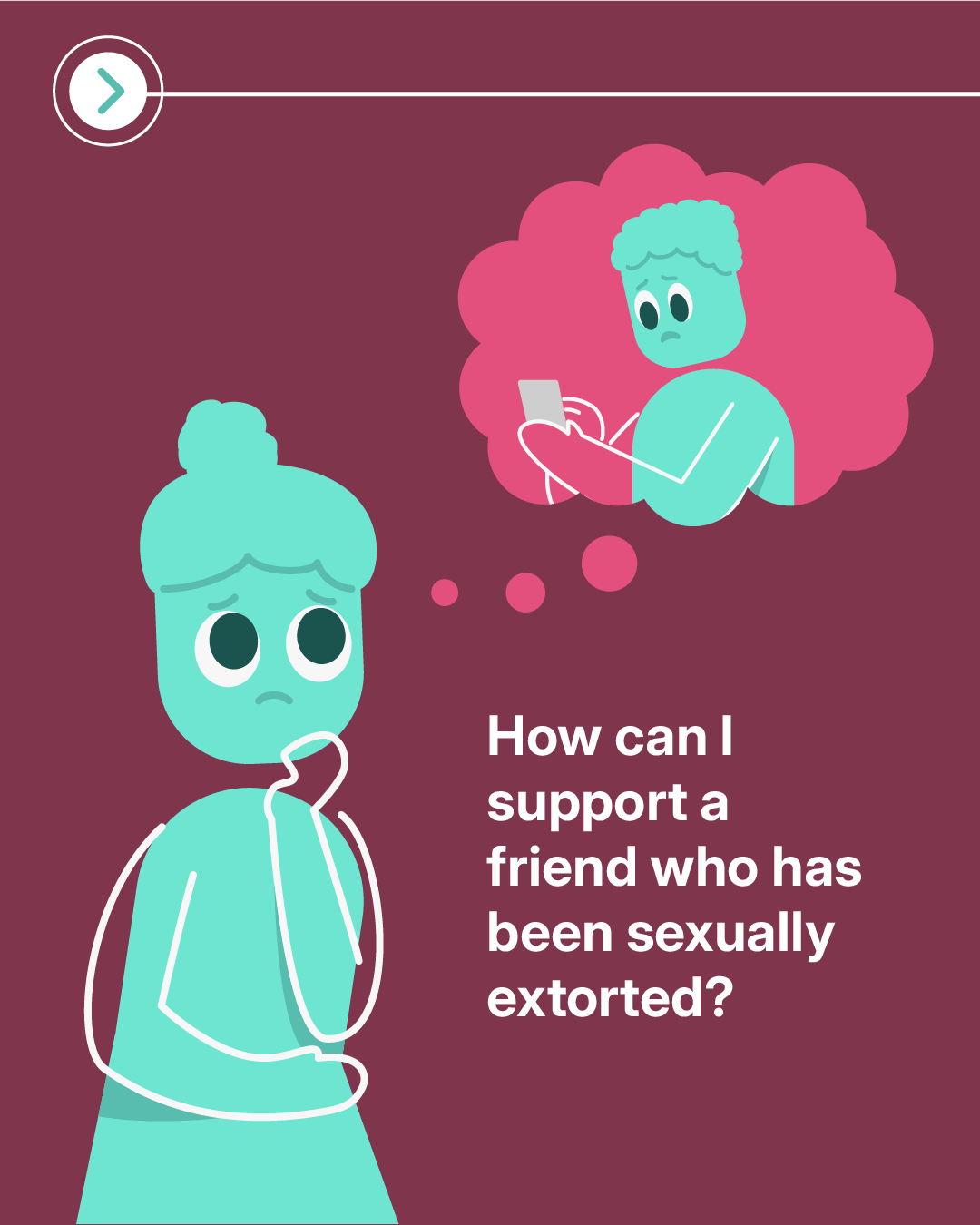
The final resources cover clear and concise explanations of how sexual extortion works, simple steps to follow if you or a friend is experiencing sexual extortion, as well as calls to action on changing the culture that allows sexual extortion to proliferate.
The co-production of resources enabled ambassadors to pin-point what they found most helpful from the expert sessions, and to combine this learning with their own personal experiences. For example, ambassadors found the research on the psychological mechanisms that perpetrators use and the fear-response that they exploit particularly interesting. This led to the inclusion of an immediate crisis response resource, which included box-breathing as an initial step to help victims get to a calmer place as well as clear practical guidance and advice on reporting.
Ambassadors also wanted to stress throughout the resources that how a young person responds to this abuse is situational. Not every young person will be able to report what has happened to law enforcement. Not every young person will have supportive parents. And not every young person will be able to refuse to follow a perpetrator’s demands. As such, the ambassadors felt that having a strong emphasis on removing shame from the victims was key, as well as gently reminding them that help will continue to be available if they ever feel they need that support.
With the wonderful input of the GSMA’s design team, we are proud to present these thoughtfully curated resources on sexual extortion and how to prevent it.
The resources
You can view all the available resources here.
Support Young Creators Like This One!
VoiceBox is a platform built to help young creators thrive. We believe that sharing thoughtful, high-quality content deserves pay even if your audience isn’t 100,000 strong.
But here's the thing: while you enjoy free content, our young contributors from all over the world are fairly compensated for their work. To keep this up, we need your help.
Will you join our community of supporters?
Your donation, no matter the size, makes a real difference. It allows us to:
- Compensate young creators for their work
- Maintain a safe, ad-free environment
- Continue providing high-quality, free content, including research reports and insights into youth issues
- Highlight youth voices and unique perspectives from cultures around the world
Your generosity fuels our mission! By supporting VoiceBox, you are directly supporting young people and showing that you value what they have to say.