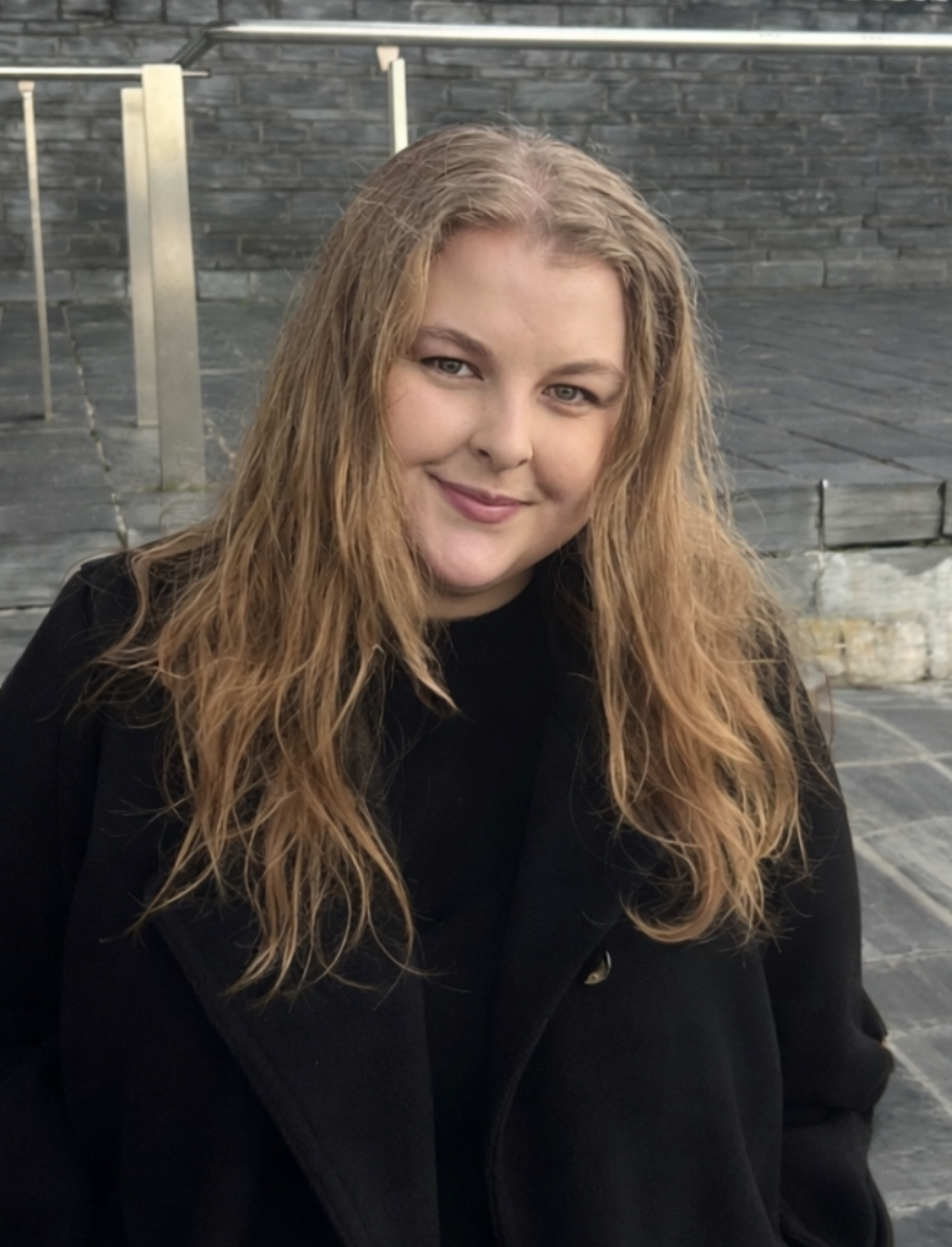
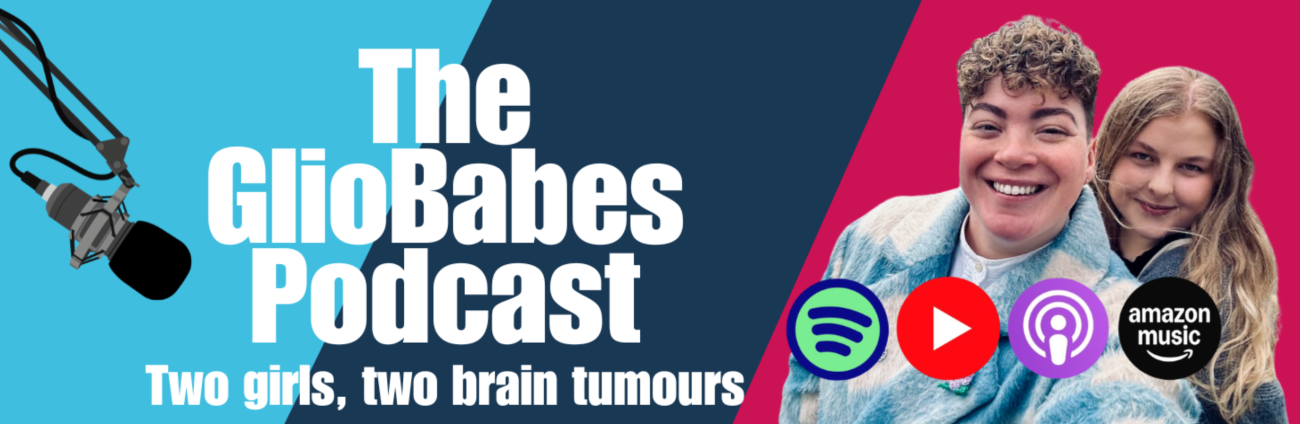
In January 2025 I began a podcast with my friend Mel called 'The GlioBabes' with no plan or experience...here's my lessons and top tips for any aspiring podcasters!
I met Mel back in April 2024, as we both began in ambassador roles for The Brain Tumour Charity. I had been diagnosed with a brain tumour, and wanted to do more to help charities not just fund research and cures but also support for people like me.
We bonded instantly and became inseparable, and knew we wanted to do something to contribute to the brain tumour community specifically. On the 13th January 2025 we decided that was a podcast, on the 15th January we opened an instagram page and announced it, and on 17th January The Gliobabes launched its first episode on Spotify.
A year on we have released 6 seasons across 4 platforms, including 2 lived experienced guests series and 1 professional series involving speaking to a GP and Oncologist (a cancer doctor). These are things I have learnt co-hosting a podcast that may be useful to those considering starting.
First think: What is your podcast and who is it for?
Think of why you want to start a podcast, is it something you're really passionate about? You need to really love it to sustain it, as they can be a lot of work outside of the day job/education in order to edit and promote. I personally love editing our podcasts (Mel and I never argue, but we get close in who gets to edit the episodes as we love it!) because I love listening back - the topic interests me so much. That really helps.
When it comes to the audience, a podcast isn't meant for everyone. Not everyone will listen and enjoy, and that's okay. For us, we knew at the start that The GlioBabes was for the community impacted, and we noticed that it also became for professionals in the medical field who wanted to understand deeper about the human experience of a diagnosis. We wanted to make sure we decided on and kept our niche - brain tumours. Not wider cancer, not illness for young people - we reflect on this every episode to make sure we keep it relevant. Obviously, those topics come up but we also ground the conversation back to keep it best for our audience.
Shaping your Podcast!
A name
A name that you love, that's memorable, that sticks.
Mel and I were often grouped - Mel and Mol, has a good ring to it! - and known as a duo. Both of our brain tumours were in a group called gliomas - the most common type of brain tumour. That's where 'Glio' comes from - and that rings with the brain tumour community, who our audience is. Babes was a fun, 'Gilmore Girls' inspired twist. People remember the name well, and refer to us as The GlioBabes when we walk into the room for community events or charity meet ups.
A brand
We got on Canva (free version is perfect), found three colours we liked, and made our own logo and have used the same branding throughout. All it cost was time.
Marketing
We decided to open an Instagram page to promote the podcast. Social media is free to use so it made sense: posting regularly about upcoming episodes, outtakes and bloopers, and top clips, as well as interacting with the community and asking what they wanted to hear, and what guests they wanted to see. When that became manageable we moved to TikTok as well. This is a commitment so it does have to be something you love and that feels like a hobby so that it does become a sort of habit. The consistency of episodes as well as online presence I believe is the very key to success.
On the topic of consistency...
When and how often do you want to upload? For us we picked Friday mornings to upload; weekly for just us episodes and fortnightly when we have a guest series.
Platforms - where do you want your podcast? Ours is now on Spotify, Apple Podcasts and Amazon Music, and we put guest ones also on YouTube so people can see the video.
Now that's sorted, what about filming?
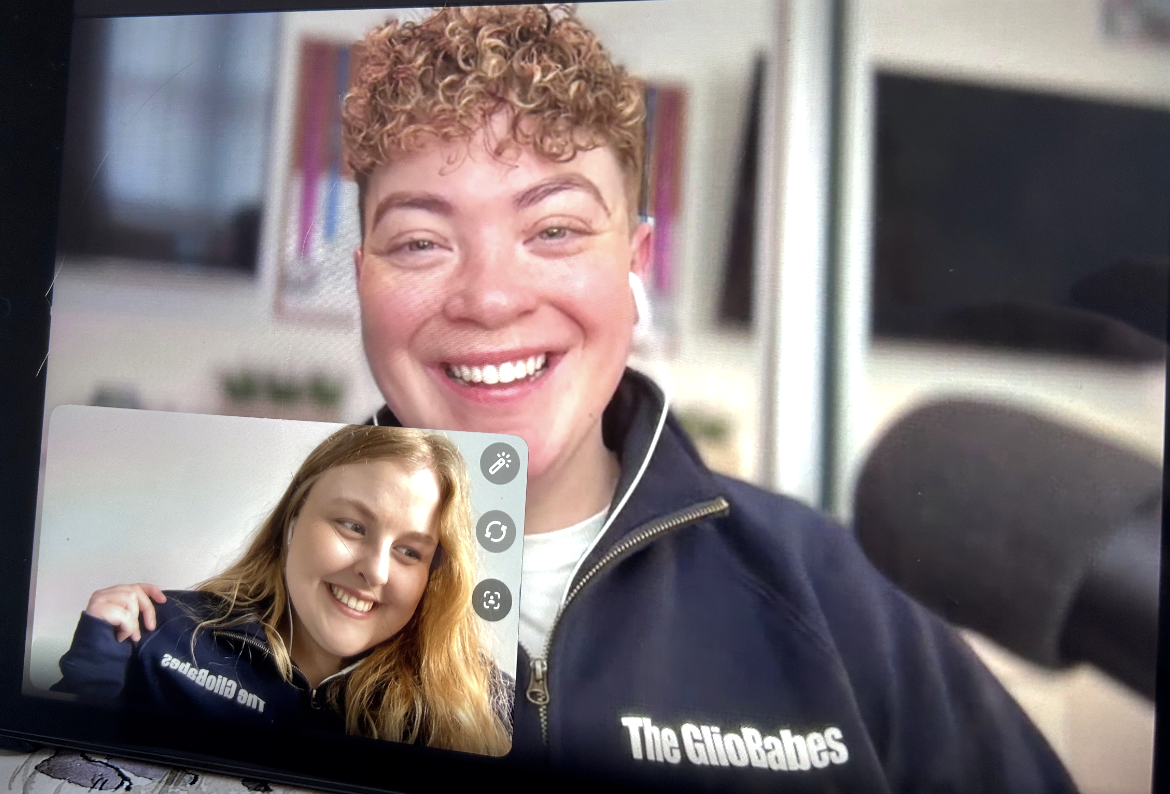
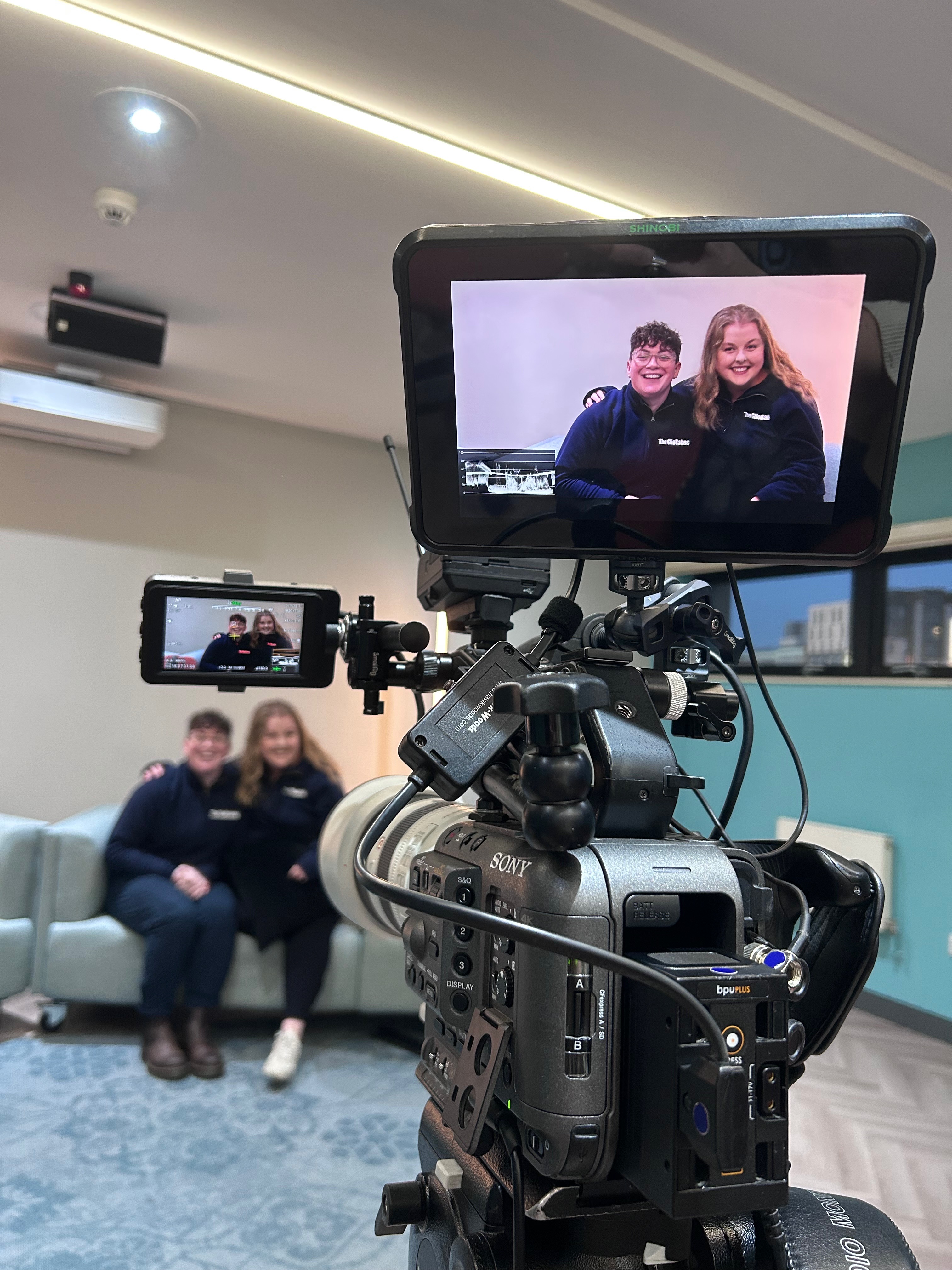
What do you want to use to film? Doing your research matters. We use Riverside, I know people that use Zoom. Definitely have a plan before going in. Mel and I did a mindmap (colour coded...I am that person and I am proud). Get that list and look at the technicalities.
Summary: Top Tips for Budding Podcasters!
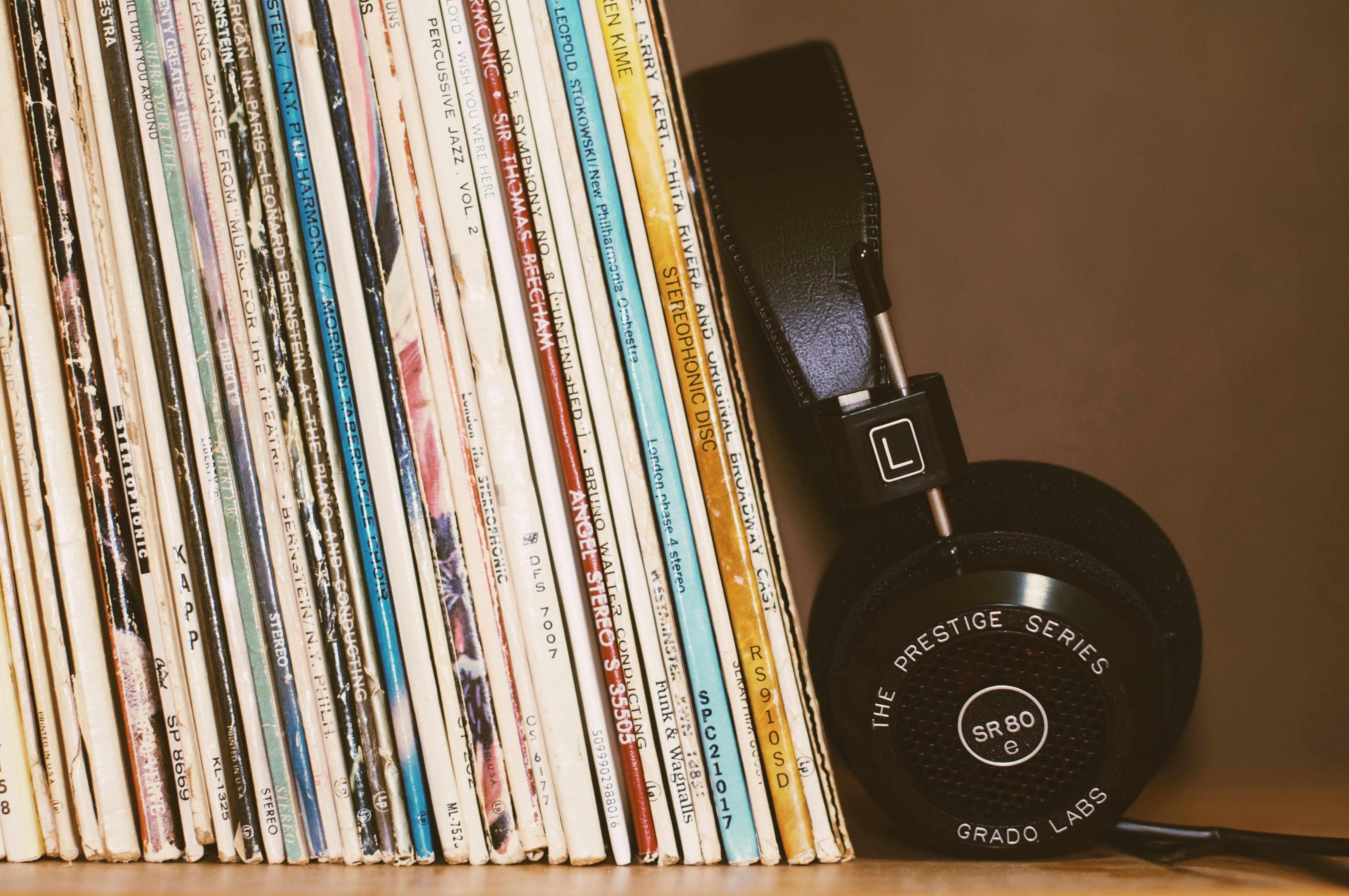
- You don't need majorly expensive equipment. Some wired headphones (make sure your hair doesn't hit the microphone on it!)
- Ask. Is there a charity or organisation that aligns with what you're doing? We contacted charities to do with brain tumours, organisers, influencers - anyone related! They shared the podcast with their communities and we even got the CEO of The Brain Tumour Charity - the worlds largest dedicated charity to the disease - on for our first guest episode.
- YouTube is your best friend. Every tutorial you need, I bet you can find it on there.
- You will be your harshest critic and biggest judge - always remember that. You may question or second guess yourself at times, but if you have the right reasons you will know in your heart it's right, even if your brain makes you question if you are good enough.
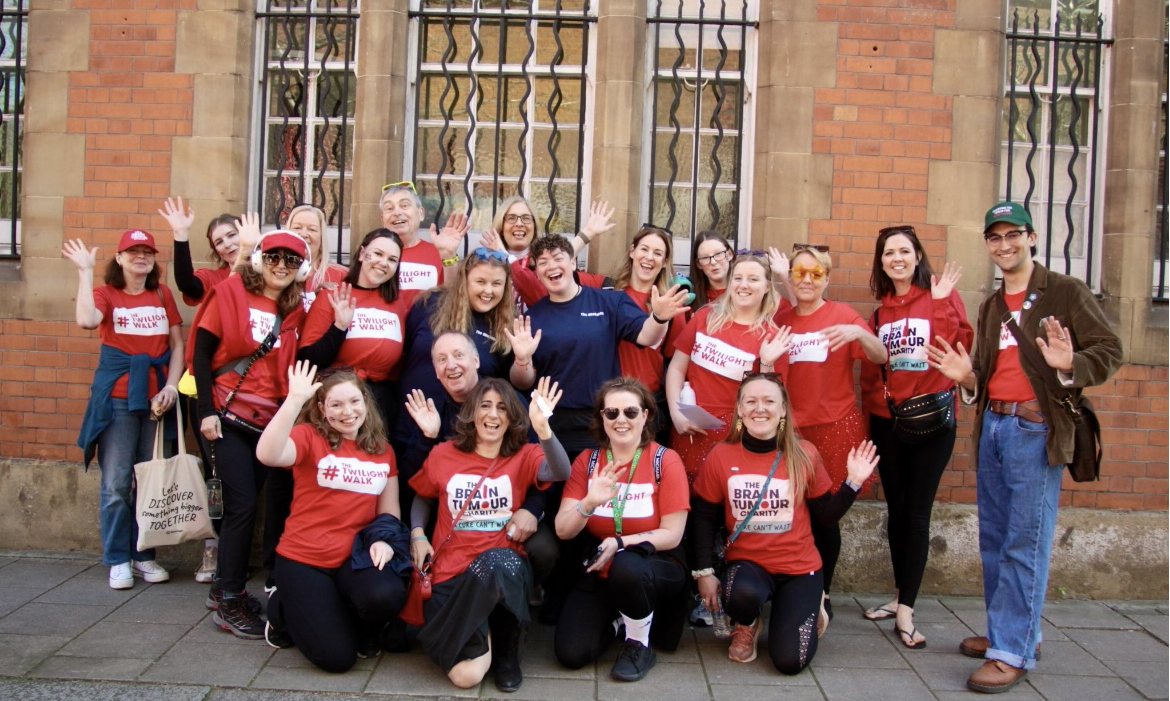
And finally...
A huge thank you to the community who listen to and support the podcast. That's what enables it to keep running. You will find your community who value your work.
And a huge thank you to Mel, who is as vital to this. Co-hosting has worked very well for us - it isn't for all but you know straight away if the connection is right.
My next steps for you:
Find your topic, think of some episode ideas, get everything down in front of you. If you find it exciting then why not give it a try? You have no idea what value you may add to someone's life.
If you start one, drop us a line on The GlioBabes Instagram so we can follow and support your podcast! It's important we all help each other out.
Good luck!
Support Young Creators Like This One!
VoiceBox is a platform built to help young creators thrive. We believe that sharing thoughtful, high-quality content deserves pay even if your audience isn’t 100,000 strong.
But here's the thing: while you enjoy free content, our young contributors from all over the world are fairly compensated for their work. To keep this up, we need your help.
Will you join our community of supporters?
Your donation, no matter the size, makes a real difference. It allows us to:
- Compensate young creators for their work
- Maintain a safe, ad-free environment
- Continue providing high-quality, free content, including research reports and insights into youth issues
- Highlight youth voices and unique perspectives from cultures around the world
Your generosity fuels our mission! By supporting VoiceBox, you are directly supporting young people and showing that you value what they have to say.