
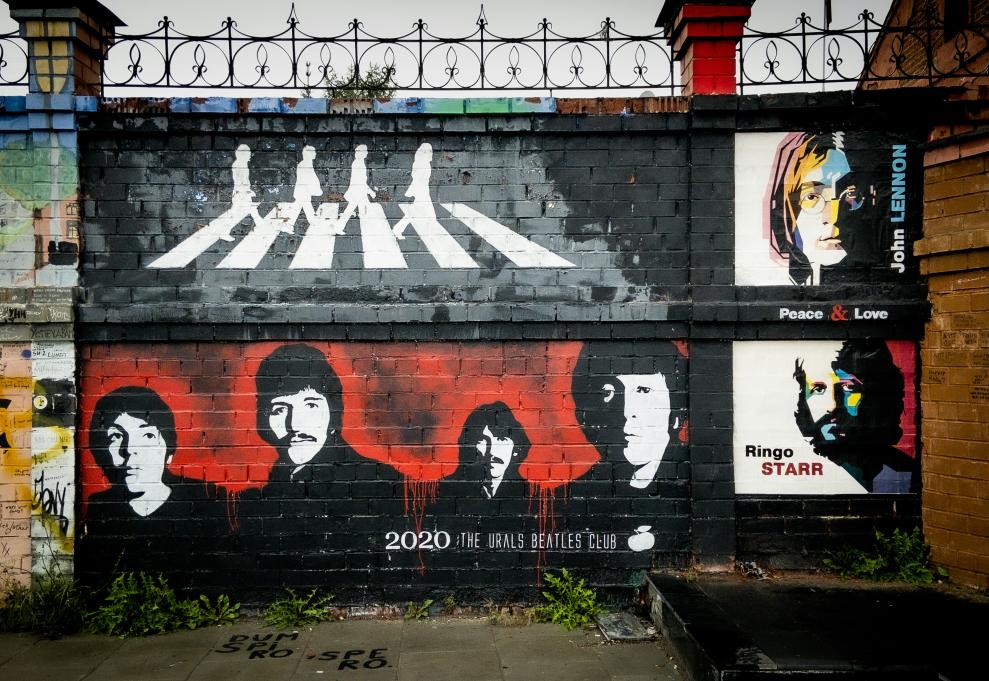
“I love The Beatles and I’ll always love them! Even when I’m 105 and an old grandmother, I’ll love them. And Paul McCartney, if you are listening, Adrienne from Brooklyn loves you with all her heart!”
On the 7th of February 1964, CBS interviewed a crowd of girls awaiting the Beatles’ inaugural appearance in the United States ahead of performing on the iconic Ed Sullivan Show. It is entirely understandable that a journalist would have such a curious fascination with the throngs of teenage New Yorkers waiting for four British mop-topped boys, but this decade-old film reel revealed more to us about the birth of a new age of fan-girling than ever before.
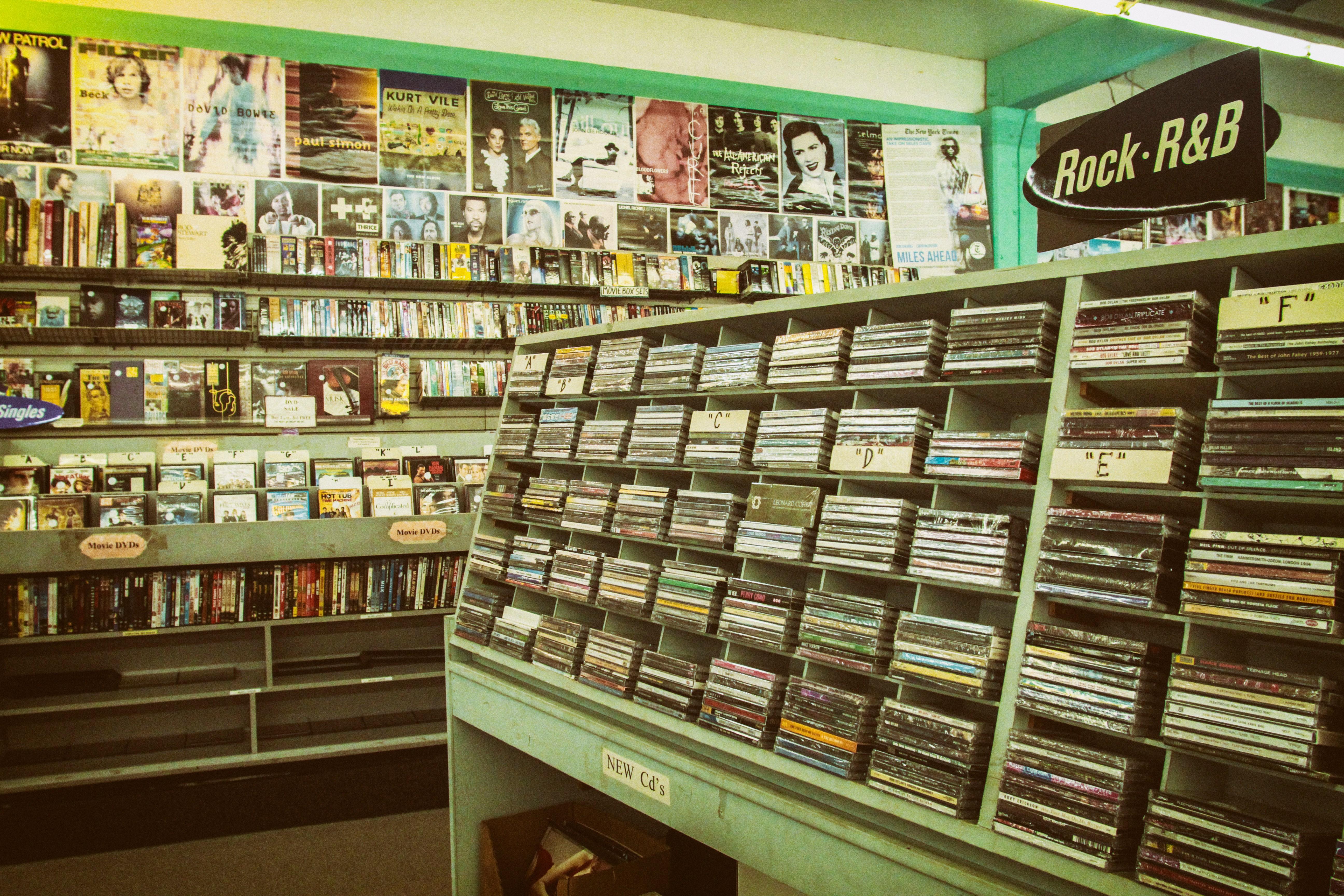
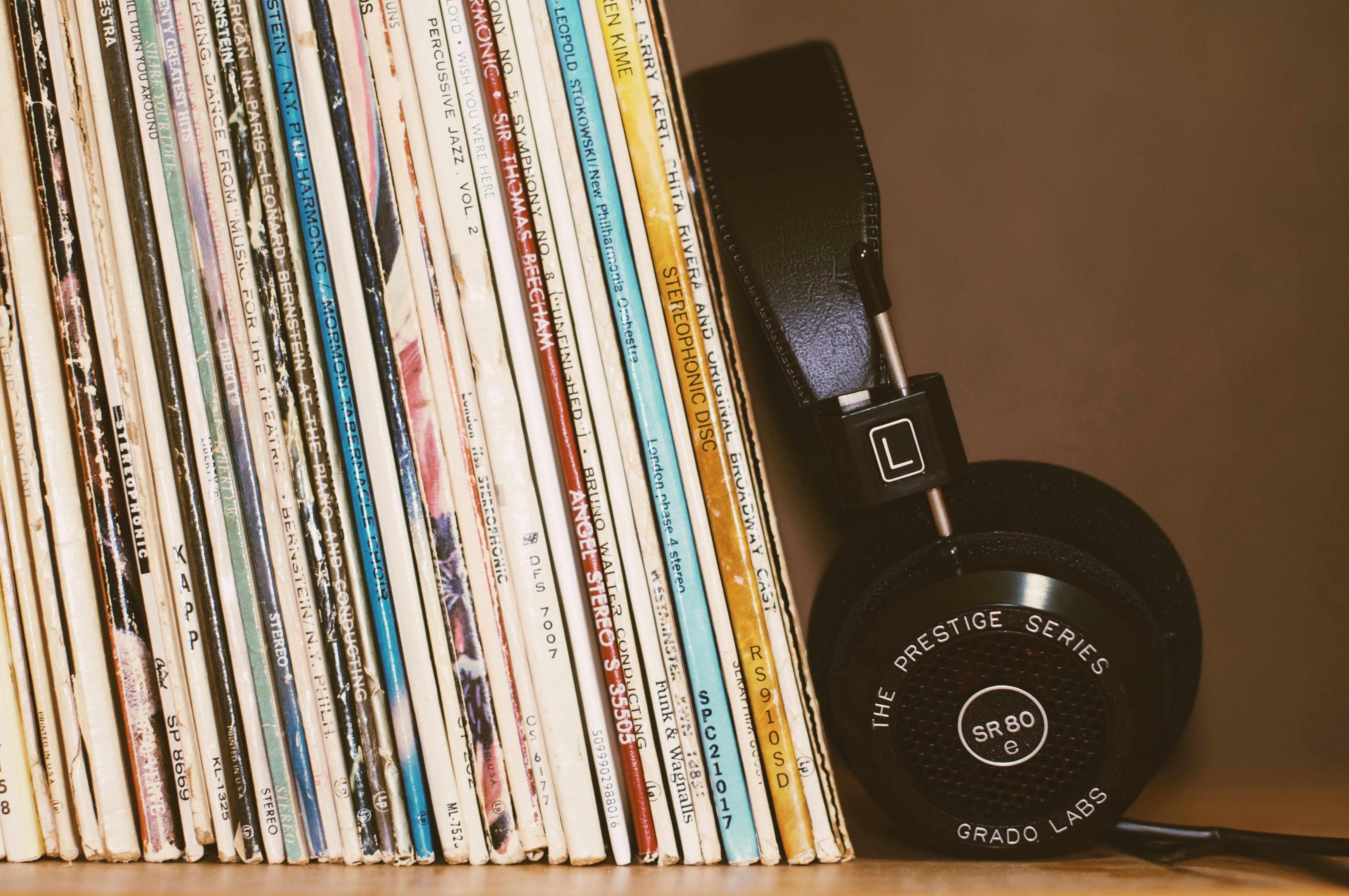
It’s difficult to think about fangirling as a generational trait, rather than something born in the digital age. Sure, my Grandma would swoon at the first few notes of any song by The Carpenters and I inherited a copious amount of vinyl from my family when I got my first record player – but that must be different? In my mind, music fandom circa now exists only in tiny internet bubbles full of concert livestreams, fan rituals, and outfit checks. In my experience as a self-proclaimed fangirl, the internet is the only place where we can pick the brains of our favourite artists and really rant about dynamic pricing – amongst all the other worries and excitement that come with loving live music in 2026.
When I found this old 1964 film reel on my For You Page, it almost felt like I was being reminded that fangirls back then were just as passionate and as excited as we are today.
Even if they are “105 and an old grandmother” now.
Adrienne’s impassioned speech to McCartney came at the very start of Beatlemania in the United States – a fandom frenzy which soon enough became a global phenomenon. Girls like Adrienne were directly responsible for this renaissance, with every album sale contributing to wall-to-wall coverage of the band. Female-dominated music fandoms were hardly a new discovery; the 19th century had seen girls show similar affection for Hungarian pianist, Franz Liszt. What The Beatles really redefined was how central a real fandom community was to the commercial success of artists.
Much like how many HQs on social media today are run by loyal fans – the official Beatles Fan Club began in 1962 under Freda Kelly, an early-years trusted follower of The Beatles who was more than eager to take on the job replying to fanmail. It was a formal affair to be enrolled in the Fan Club, with strict membership cards being your only ticket to a monthly flow of exclusive photographs and magazines. The band also embraced this collective of Beatlemaniacs by sending exclusive Christmas flexi-disc records to all UK and US members. By 1966, the Beatles had been thrusted into global stardom and chose to sit back in the recording studio, riding the wave of their four-year touring stint until they landed a pretty comfortable spot in the Hall of Fame as the best-selling music act of all time – all thanks to the passion and excitement of young girls. Beatlemania in the United States, albeit short, triggered an explosion of music fandom to a magnitude never seen before, setting up the next few decades to become nothing less than a series of convention-shattering eras defined by the growth of fangirl groups in popular music.
Of course, in redefining what enjoying music may look like for a teenage girl, misogyny and wild joy was often taken amiss as “hysteria” – a long-standing prejudice which persists today. In This Is Us (2013), a documentary which pieced together the most iconic moments from One Direction’s ‘Take Me Home’ Tour, neuroscientist Dr. Stefan Koelsch challenges this notion in one of my favourite music documentary moments – by explaining how fangirls are susceptible to much stronger emotions than the average listener or concert-goer: “Dopamine is released and provides feelings of joy and happiness – shivers, goosebumps, strong pleasure. The girls are not crazy, the girls are just excited.”
Soon enough, the US fangirls had another reason to get excited. It is safe to say that the British Invasion didn't stop after the 1980s, with another set of slightly less mop-topped British boys breaking their way into the global market – One Direction. Uniquely, the huge 19.4M viewership of the 2010 final of The X-Factor meant that One Direction was already being formed around an obsessively loyal fanbase before they had even released their first single. The band seemed a hundred miles ahead of The Beatles, with no need to frantically close the gap between fandom and band. One Direction and the members’ solo projects was my first push into the fangirl community, where I quickly discovered that Directioners ran a tight ship on social media.
I could name a thousand social media initiatives that redefined the industry and fandom culture, but Directioners’ fervent passion couldn't be better defined than in 2015’s #ProjectNoControl. The entire online community on Twitter and Tumblr banded together to push promotion for the song “No Control”, as if it were a single. Following Zayn Malik’s departure from One Direction and social media spats with former bandmate, Louis Tomlinson, management of the band had collapsed into chaos and the fangirls looked to uphold sales and radio plays – now using social media to ignite drives which would not be out-of-place in the Beatlemania era. The result was a huge success, with the song playing on 60 global radio stations and dominating the trending page of Billboard’s Twitter charts.
Now, as an eighteen-year-old girl trying to navigate the busy London music scene and work in music PR, the phrase “fangirls run the music industry” comes very easily to me when I look back.
Without the Swifties, the Beyhive, the Beliebers, the Directioners, and especially Adrienne from Brooklyn – the music industry would still be pushing us fangirls away.
Support Young Creators Like This One!
VoiceBox is a platform built to help young creators thrive. We believe that sharing thoughtful, high-quality content deserves pay even if your audience isn’t 100,000 strong.
But here's the thing: while you enjoy free content, our young contributors from all over the world are fairly compensated for their work. To keep this up, we need your help.
Will you join our community of supporters?
Your donation, no matter the size, makes a real difference. It allows us to:
- Compensate young creators for their work
- Maintain a safe, ad-free environment
- Continue providing high-quality, free content, including research reports and insights into youth issues
- Highlight youth voices and unique perspectives from cultures around the world
Your generosity fuels our mission! By supporting VoiceBox, you are directly supporting young people and showing that you value what they have to say.