The Death of the Album in the Age of the Playlist
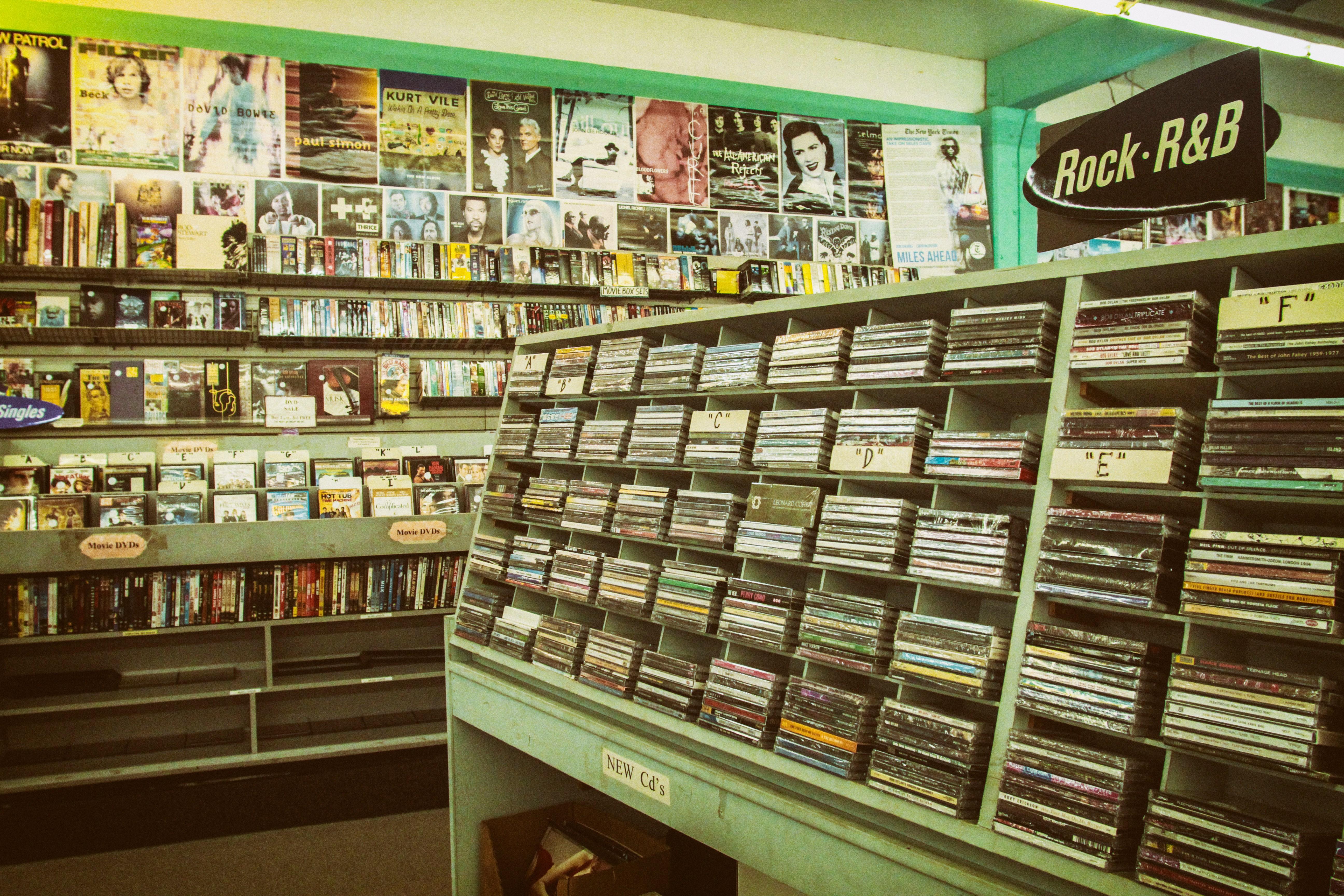
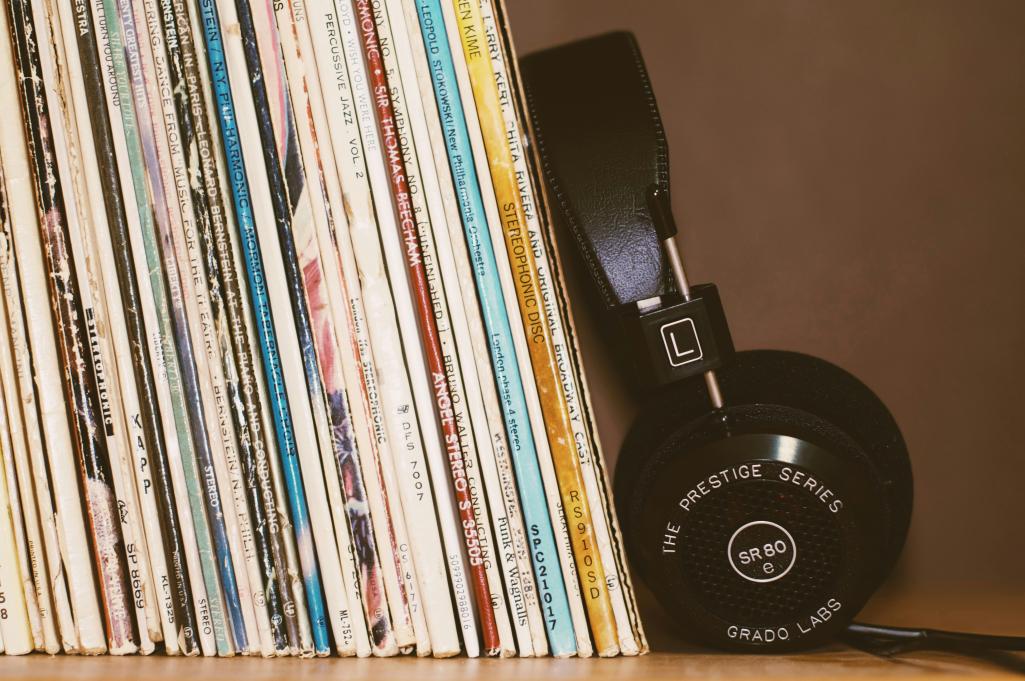
Streaming changed everything about how we consume music. Before streaming, accessing music required some form of commitment. You had to buy a record, a CD, or download music. You owned a finite collection and you listened to it thoroughly, partly because you had paid for it and partly because you had no other choice. The album was usually the unit of consumption because the album was the unit of sale.
Then Spotify arrived, then Apple Music, then every other platform that gave us access to tens of millions of songs for the price of a monthly subscription. The logic of scarcity that had governed music listening for decades collapsed.
The playlist became the new dominant format almost immediately. On the surface, this seems like a purely good thing. More choice. More discovery. More control over your listening experience. Curated moods for every occasion: for studying, commuting, working out 0r winding down.
However, something got lost in the change.
An album, when done right, is not just a collection of songs. It is a sequence. A conversation between tracks. A beginning, a middle and an end that the artist constructed deliberately in a specific order to create a certain effect. Think about how different Kendrick Lamar's ‘To Pimp a Butterfly’ would feel if you shuffled it. Or how Adele's ‘21’ builds across its runtime in a way that no individual song on it fully encapsulates. The album asks you to surrender to someone else's vision for forty-five minutes. The playlist does not have quite the same effect. This is a great difference.
Artists are aware of the change in how music is being consumed. This has pressured them to optimize for the first thirty seconds. Thirty seconds is all that stands between a stream being counted and a skip. As a result, there has been a fundamental change in how music gets made. Intros have shortened. Hooks arrive earlier. Albums that used to unfold slowly now have to justify every moment of their existence against the constant threat of the listener tapping away.
Some artists have pushed back. Taylor Swift re-released entire back catalogues partly as an act of artistic reclamation. Beyoncé has continued to release visual albums that demand to be experienced as complete works. Frank Ocean, Kendrick Lamar and others have made records that explicitly resist being reduced to singles. These are however acts of resistance against a current that is pulling in the opposite direction. It is also way easier for these established artists to take this route than it is for the emerging ones.
I also want to be careful not to romanticize the past too much. There has always been disposable music. There have always been songs designed purely to be catchy for a summer and then forgotten. The idea that music used to be universally deep and intentional and has recently becoming shallow is not accurate.
There are genuine things to love about how we consume music nowadays. I have discovered a lot of great artists through algorithmic recommendations. This did not exist before. Playlists have introduced me to genres I had written off and songs that came from corners of the world I knew nothing about. It is also now easier for independent artists to reach audiences without facing gatekeeping from major labels.
Listening to an album all the way through requires patience. It is like reading a novel. It requires you to trust that the artist knows something you do not yet know. It asks you to sit with tracks you do not immediately love because sometimes the ones that take longest to open up become the ones that mean the most. It is, in a way, a practice in letting go of control.
The playlist is the polar opposite. It offers total control, total responsiveness and total efficiency. You are never bored, never challenged, never waiting. Every song has been selected or algorithmically determined to match your current mood.
I am not going to tell you to stop using Spotify or delete your playlists. That would be absurd. But I do think it is worth occasionally putting on an album from start to finish and seeing what happens. Not as a nostalgic exercise, but as a reminder that music can be more than background. That some artists made something that only works as a whole and that the whole is worth your time.
The album is not dead yet but it is fighting for its life. Whether this is progress or loss probably depends on what your taste and preference is.
Support Young Creators Like This One!
VoiceBox is a platform built to help young creators thrive. We believe that sharing thoughtful, high-quality content deserves pay even if your audience isn’t 100,000 strong.
But here's the thing: while you enjoy free content, our young contributors from all over the world are fairly compensated for their work. To keep this up, we need your help.
Will you join our community of supporters?
Your donation, no matter the size, makes a real difference. It allows us to:
- Compensate young creators for their work
- Maintain a safe, ad-free environment
- Continue providing high-quality, free content, including research reports and insights into youth issues
- Highlight youth voices and unique perspectives from cultures around the world
Your generosity fuels our mission! By supporting VoiceBox, you are directly supporting young people and showing that you value what they have to say.