
A few months have passed since I attended the Mobile World Congress (MWC from here on) in Barcelona, and the conversations that took place there feel more relevant than ever. This week, the UK government announced one of the most significant policy decisions in the children's digital rights space in years.
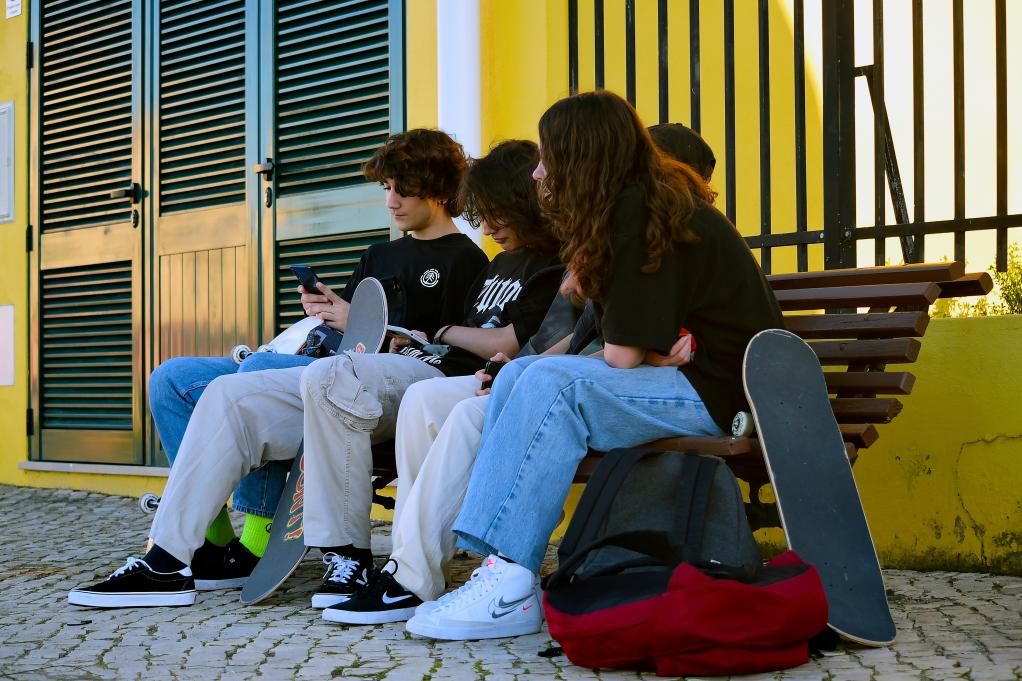
On Monday, Prime Minister Keir Starmer announced that children aged 16 and under will be banned from platforms like Snapchat, TikTok, YouTube, Instagram, Facebook and X, though messaging apps like Signal and WhatsApp are not expected to be included. The announcement followed a national consultation running from March to May 2026, which reached more than 9,000 children and young people, nearly 40,000 parents, and included seven youth-led "Hack" events by #iwill Movement across the UK bringing together over 200 young people aged 10 to 18.
The news took me straight back to MWC, where I facilitated a panel exploring how people experience the digital world across their lives. At the heart of that conversation was a question we still haven't fully answered: is restricting access enough on its own?
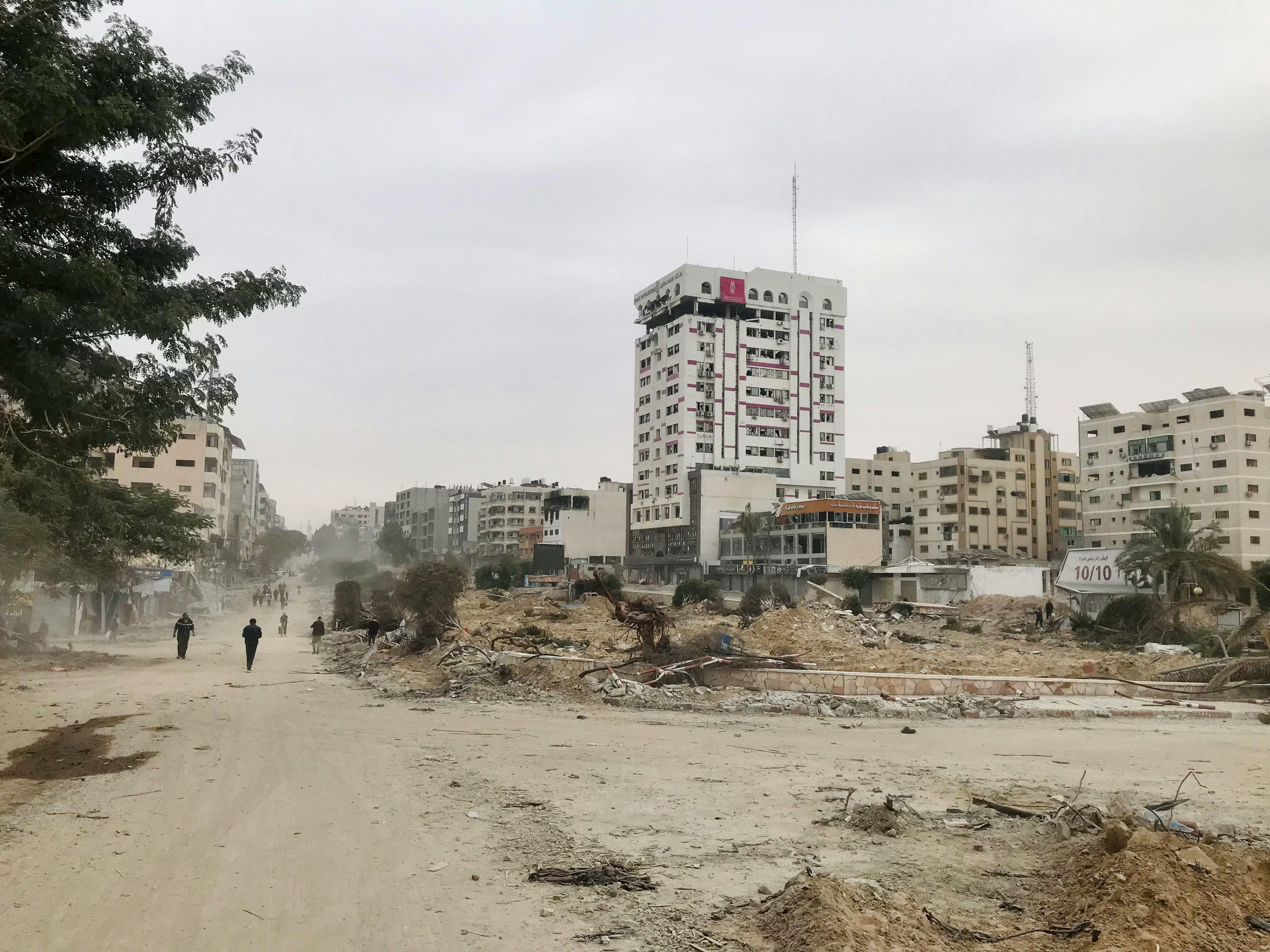
What struck me most in Barcelona was how much the experiences of just three young people could differ. For example, UNICEF U-Report ambassadors from the Democratic Republic of Congo and Burkina Faso, and a young person embedded within a major telecoms organisation in Australia, each painted a completely different picture of what "online" means and what is at stake. It was a powerful reminder that there is no single story of growing up in digital spaces. Geography, access, and social context all shape what the internet looks and feels like for young people. Failing to take this complexity into account could have significant implications of its own, and as such we will be following the updates from Monday’s decision carefully.
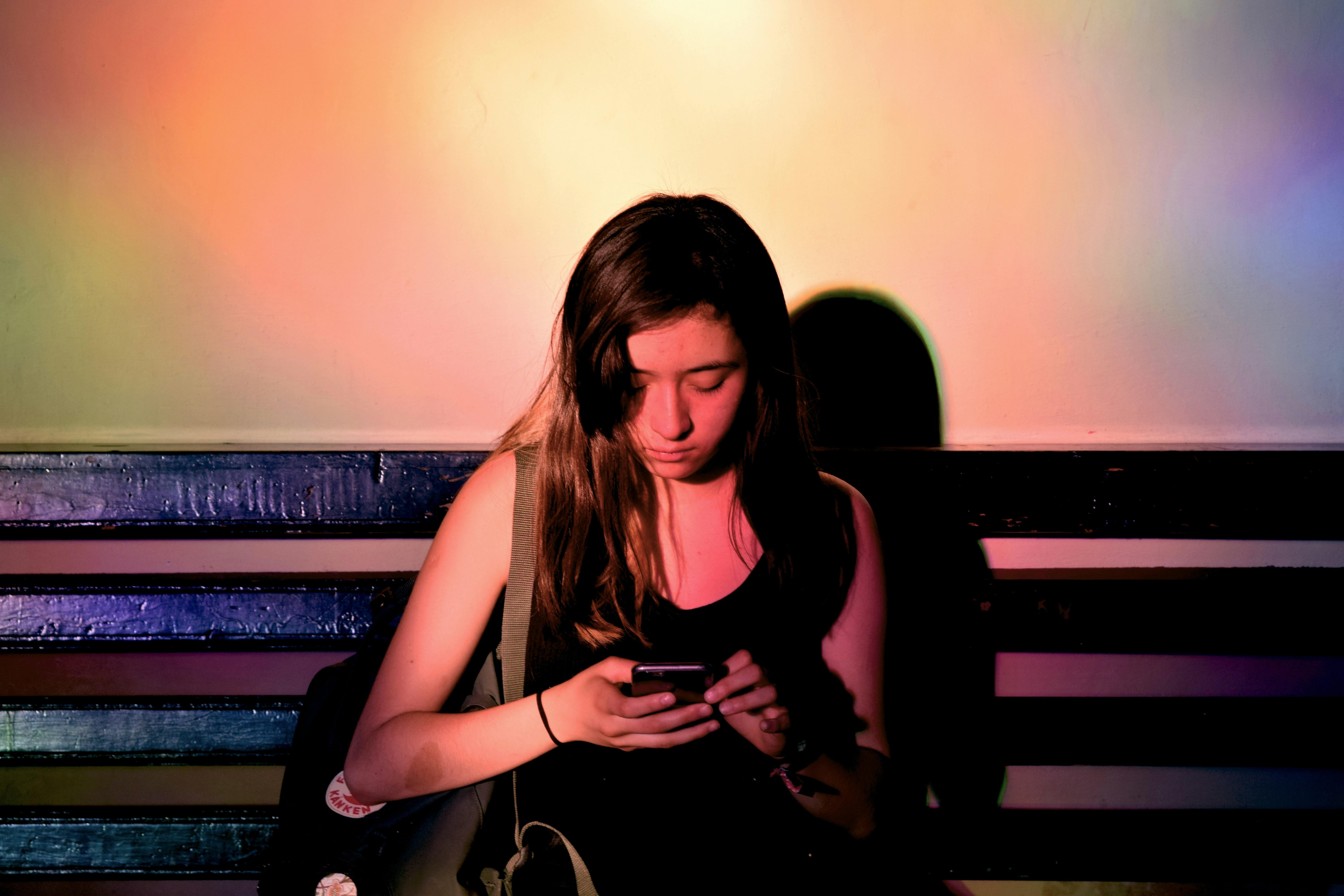
Organisations including the Molly Rose Foundation have warned that a blanket ban could leave some young people, particularly disabled and LGBTQIA+ young people, more isolated and cut off from support. This maps directly onto what conversations at Mobile World Congress highlighted about the three Ps central to realising children’s rights: provision, protection, and participation. Focusing heavily on protection, through bans and restrictions, risks limiting access and, critically, silencing young people's voices, the very voices Article 12 of the UN Convention on the Rights of the Child says must be heard.
Evidence from Australia, the first country in the world to ban social media for under 16s, suggests many young people can still access their accounts with 61% of 10-16 year olds still able to access social media. Effectiveness, then, remains an open and important question.
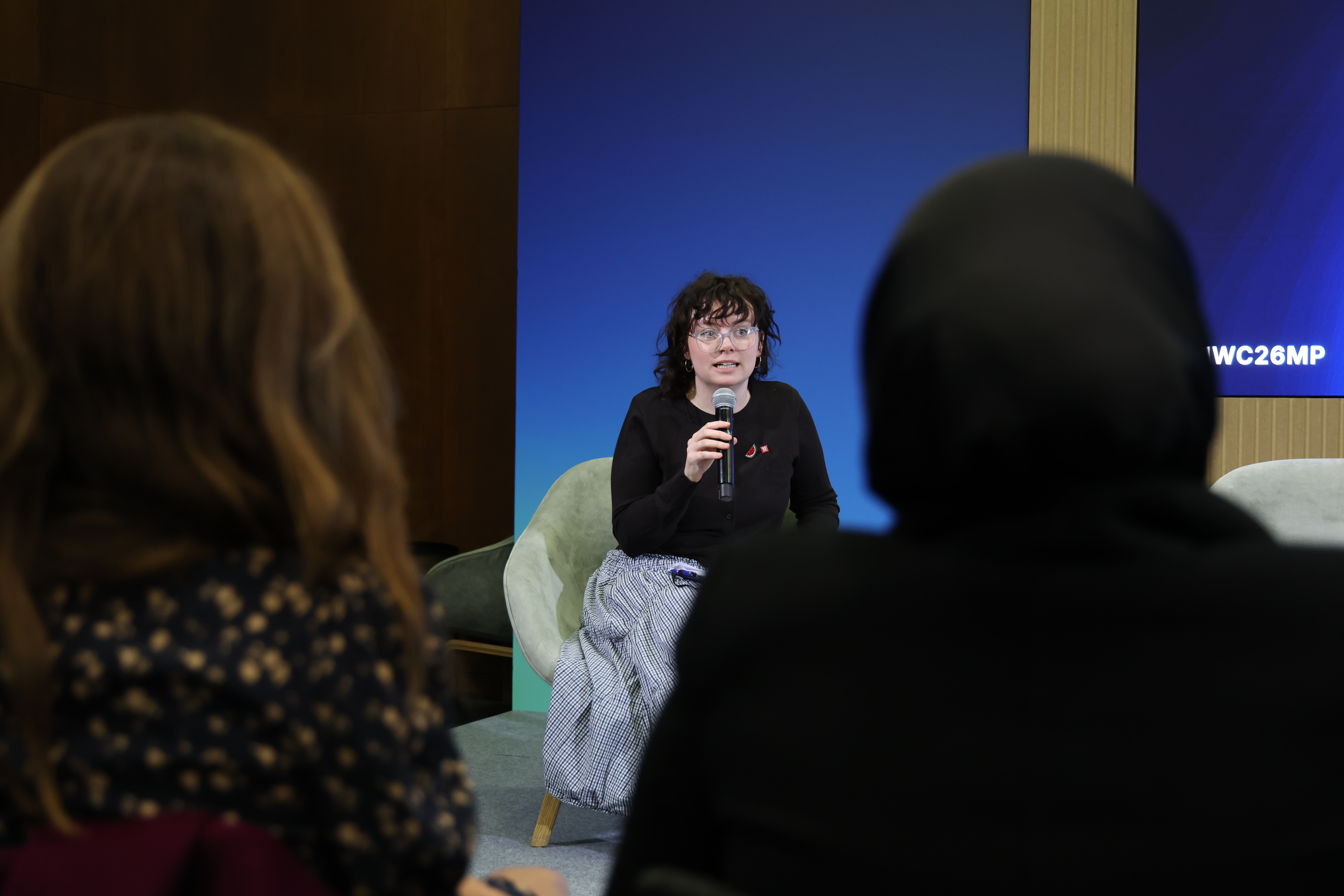
Attending MWC reinforced for me the fact that the goal cannot simply be to remove young people from digital spaces. The goal has to be building digital spaces that are genuinely safer, more inclusive, and designed with children's rights in mind from the start. General Comment No. 25 on children's rights in the digital environment provides exactly that framework, one that governments and the tech industry alike need to take seriously.
The UK ban is a significant moment. But beyond this decision, we need to start thinking about how the ban will be implemented, what might fill the gap left by social media sites and most importantly to start exploring what a rights-respecting digital environment actually looks like. Within these conversations, we need to be genuinely centering the experiences and voices of children and young people.
So what can we do?
The most important question now is not just whether this ban will work, but who gets to shape what comes next. Here are two ways to make your voice count:
At VoiceBox, we are committed to listening to young people and amplifying what they believe in. If you are a young person with a view on the UK social media ban, we want to hear from you. Submit a piece here.
As this policy develops, it is essential that young people remain central to the decisions that will shape their digital lives. FlippGen has launched an open letter calling on individuals and organisations to uphold that commitment. Add your voice and sign it here.
Further information
- Summary of the national consultation: read more here.
- The government has also published a child-friendly version which you can read here.
- You can read Parent Zone’s - a social enterprise working to improve outcomes for children and families in the digital world - summary and their outlook for the future here.
- If you are struggling, there are organisations that can help. Visit our resources page for more information.
Authored by Molly, VoiceBox staff
Support Young Creators Like This One!
VoiceBox is a platform built to help young creators thrive. We believe that sharing thoughtful, high-quality content deserves pay even if your audience isn’t 100,000 strong.
But here's the thing: while you enjoy free content, our young contributors from all over the world are fairly compensated for their work. To keep this up, we need your help.
Will you join our community of supporters?
Your donation, no matter the size, makes a real difference. It allows us to:
- Compensate young creators for their work
- Maintain a safe, ad-free environment
- Continue providing high-quality, free content, including research reports and insights into youth issues
- Highlight youth voices and unique perspectives from cultures around the world
Your generosity fuels our mission! By supporting VoiceBox, you are directly supporting young people and showing that you value what they have to say.