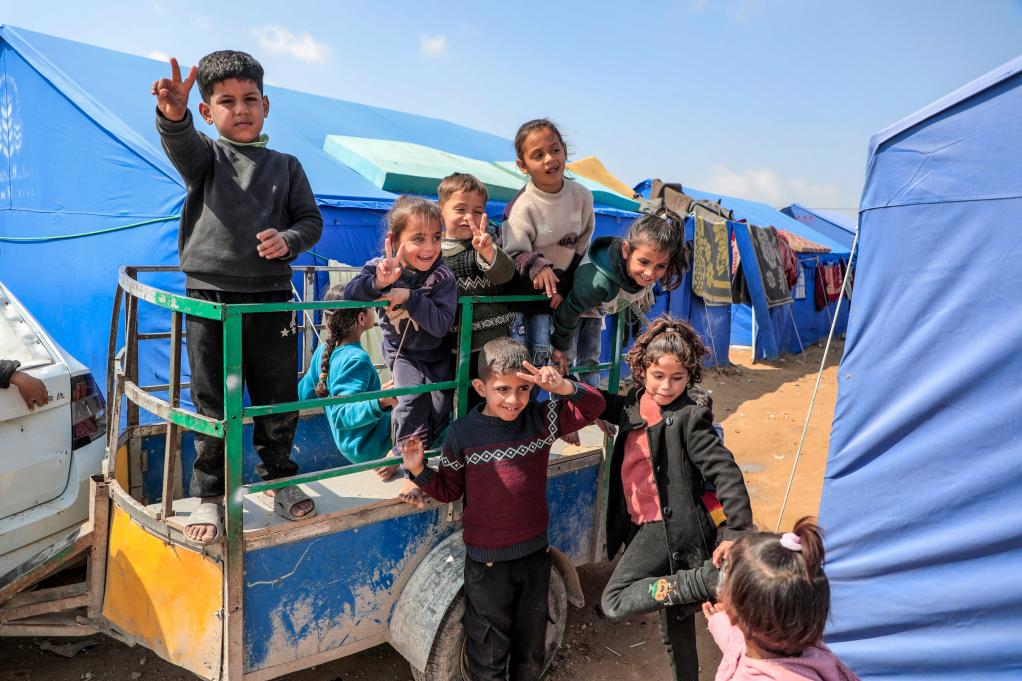
Looking back, I realise that my identity has always been deeply intertwined with the physical spaces I once occupied. Growing up in the northern part of the Gaza Strip, my childhood home was not just a structure of stones; it was the cradle of my aspirations. It was within those vibrant walls that I harboured the ambition to study medicine: goal that demanded relentless focus.
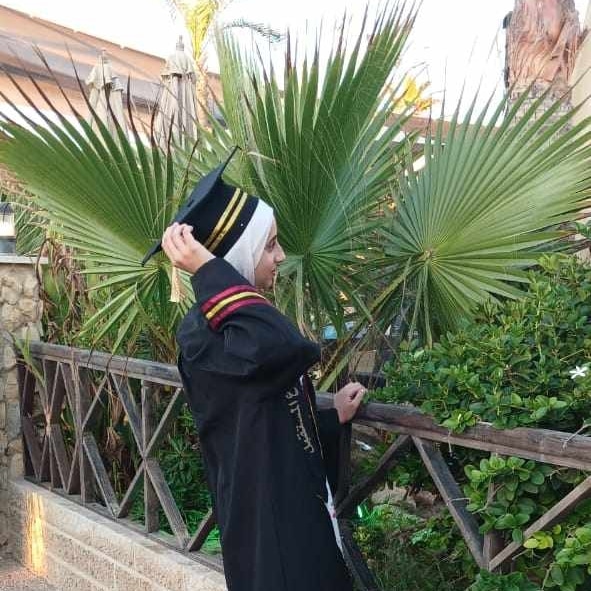
When I graduated from high school with a score of 99%, the celebration we held was more than a joyous family gathering; it was a profound validation of my dedication, an emotional milestone that convinced me that hard work would always yield a predictable path forward.
Securing a full scholarship to the Faculty of Medicine at Al-Azhar University felt like the natural blueprint of a secure and certain future.
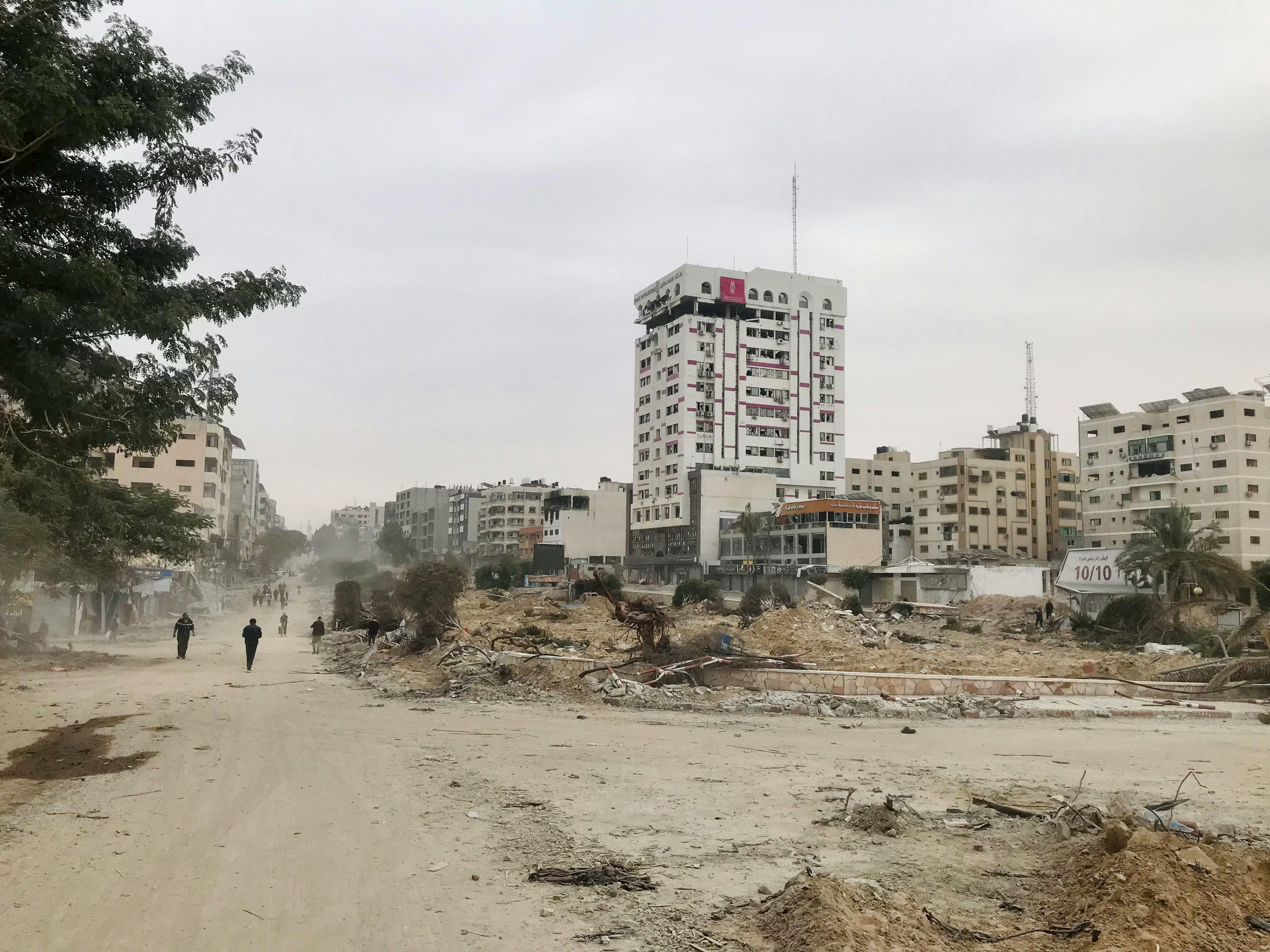
However, the sudden arrival of war challenged my fundamental understanding of stability. The conflict did not just damage the infrastructure around me; it dismantled the predictable framework of my life.
Standing in a reality where my childhood home is completely destroyed and physically inaccessible-forced me to confront a deep sense of displacement. The loss of loved ones and the abrupt disruption of my education brought an immense psychological weight that words can scarcely capture.
The transition to remote learning became a test of psychological endurance rather than just an academic challenge. Stripped of the essential clinical environment and the vital community of face-to-face learning, I had to completely redefine what it meant to be a medical student.
Navigating exams while battling an unstable, flickering internet connection taught me that academic perseverance under crisis is a silent form of resistance. Furthermore, receiving an abrupt, unexplained email stating that my scholarship was revoked was a harsh lesson in loss.
It forced me to detach my sense of self-worth from institutional validation and find internal reasons to keep going. Today, my educational landscape is defined by severe constraints: a basic mobile phone with limited storage space has become my primary lecture hall.
Yet, the psychological and academic toll was amplified by a brutal material reality. Throughout a significant portion of this war, my journey as a student intersected with a devastating, man-made famine. Attempting to master the complexities of human anatomy and pathology while enduring prolonged hunger and a severe scarcity of food fundamentally altered my understanding of survival.
The most basic elements of daily sustenance vanished, and when small amounts of food became available, they were priced at astronomical costs. This added an immense financial strain to an already breaking reality. Managing to secure and pay my university tuition fees under conditions required an agonising balancing act, as every single coin was a choice between continuing my education and securing food.
This stark contrast between the infinite vastness of medical science and the extreme limitations of my physical tools, compounded by financial exhaustion, has deeply shifted my internal perspective. I have learned to find immense value in the smallest achievements, recognizing that progress under stress carries its own unique weight.
The conflict has also profoundly shifted my relationship with my homeland. I never imagined a day would come when the desire to leave my country and my family would consume my thoughts. Acknowledging the pervasive anxiety and fear that now dictates my surroundings has been a difficult, heavy internal process.
Seeking a scholarship abroad is no longer just about career advancement; it is a conscious search for an environment that fosters effort, preserves mental peace, and offers the fundamental safety required to grow as a future healer.
Documenting this chapter of my life serves a dual purpose: it is a personal recognition of my survival and an act of solidarity. I have come to understand that while my journey remains unfinished and uncertain, the resilience built along the way - intellectually, financially, and physically - is an achievement in itself.
By sharing this reflection, I hope to give a voice to the collective, quiet struggle of thousands of students who continue to pursue knowledge against all odds, transforming shared hardship into a timeless testament to human resilience. To every student navigating the darkness of adversity across the world: your courage is not unseen, and your pursuit of education is a profound act of resistance and hope. May our shared determination prove that notebooks and dreams are far more durable than any hardship, reminding the world that even when the path is broken, the human spirit remains.
Support Young Creators Like This One!
VoiceBox is a platform built to help young creators thrive. We believe that sharing thoughtful, high-quality content deserves pay even if your audience isn’t 100,000 strong.
But here's the thing: while you enjoy free content, our young contributors from all over the world are fairly compensated for their work. To keep this up, we need your help.
Will you join our community of supporters?
Your donation, no matter the size, makes a real difference. It allows us to:
- Compensate young creators for their work
- Maintain a safe, ad-free environment
- Continue providing high-quality, free content, including research reports and insights into youth issues
- Highlight youth voices and unique perspectives from cultures around the world
Your generosity fuels our mission! By supporting VoiceBox, you are directly supporting young people and showing that you value what they have to say.