
The Invisible Privilege of Eating Clean: Why Healthy Food is Still a Luxury for Most Teens
Deconstructing the 'Insta-Healthy' Illusion
If you spend even five minutes scrolling through TikTok or Instagram, you will see it: the perfectly lit smoothie bowls, the chia seeds soaking in artisanal almond milk, the avocado toast drizzled with organic honey. It is a beautifully curated world where eating clean equals loving yourself.
But there is a massive elephant in the room that nobody in the wellness space wants to talk about: the price tag.
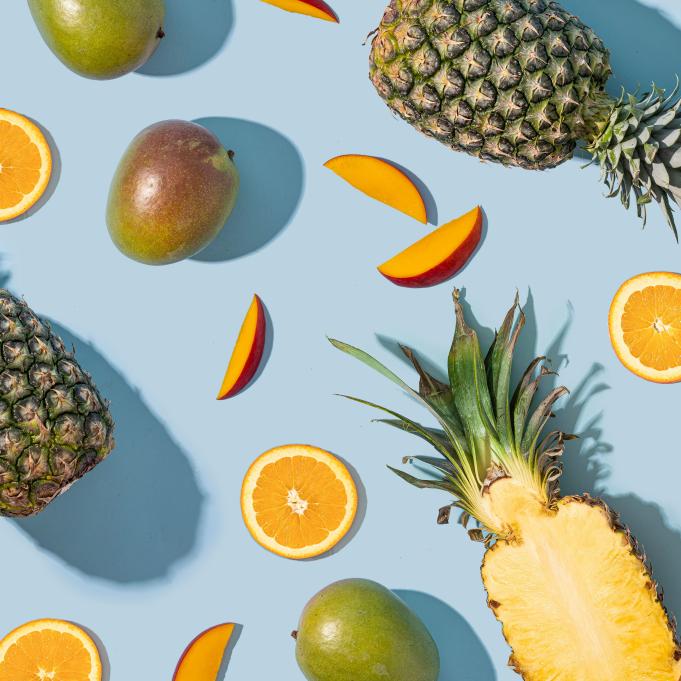
Last month, my sister and I went to a trendy local cafe. I decided to try one of their signature healthy smoothies, a blend with a fancy name, giving off total tropical beach vibes. When the bill arrived, I genuinely gasped. That single smoothie cost Rp70.000. To put that into perspective, our actual meals at the same cafe were only around Rp39.000 each.
As we sat there sipping our overpriced drinks, we found ourselves repeating a phrase that so many teens use to justify spending money we do not really have: "Well, at least it is better than buying cheap, unhealthy junk food that is loaded with sugar."
But as I thought about it later, that mindset felt incredibly wrong. Why should choosing not to bomb my body with refined sugar require a financial sacrifice?
Falling for the Algorithm, Not the Anatomy
The real danger here is that a lot of people my age are not actually looking for health; they are looking for a personality trait to post online. We have become a generation that blindly copies internet trends without taking a single second to cross-check the facts or look at the actual science behind what we are putting into our bodies.
We see an influencer promoting a magical green powder, and we immediately add it to our shopping carts. We swallow marketing buzzwords whole, completely unaware that we are being played by corporate wellness strategies designed to target our insecurities.
When you start a lifestyle change purely for the clout or the aesthetic, you miss the entire point. True well-being does not come from blindly replicating someone else's curated video format. It comes from a genuine willingness to learn about your own body, setting a clear personal goal, and holding onto a realistic motivation that outlasts a 15-second social media story.
But when health becomes nothing more than an online status symbol, it stops being about biology and starts being about financial privilege. And that privilege creates a massive gap on our plates.
The Socioeconomic Gap on Our Plates
This matter means a lot to me because it exposes the invisible privilege baked into modern health trends. For a huge portion of teenagers, especially those of us still in school and without a full-time income, choosing what to eat is not just about discipline or wanting it enough. It is an issue of basic social economics and food accessibility.
Consider the reality for the average student. When you have a limited amount of pocket money and only a short break between classes, what are your options?
- Option A: A 30-cent plate of deep-fried street snacks or a sugary iced drink from the vendor outside the school gates. It is cheap, it fills your stomach instantly, and it is right there.
- Option B: A premium, organic, low-glycemic health snack that costs four to five dollars, which you have to go out of your way to find and pay a premium for.
When the system makes ultra-processed, high-sugar foods the most affordable and accessible option, we cannot blame teenagers for making the unhealthy choice. Labelling youth as lazy or uneducated about nutrition is a massive social injustice. It completely ignores the fact that for many families, eating clean is a luxury they simply cannot afford to prioritize.
The Commercialization of Wellness: Are We Being Played?
This gap between the 30-cent street food and the 5-dollar organic snack isn't accidental; it seems to be something actively exploited by the wellness industry. As someone who loves researching nutrition and health, the more I look at this trend, the more I start to wonder: Is this all just a massive corporate trap?
It feels like businesses have realized that health is the most profitable buzzword for our generation. Suddenly, every new cafe opening up is a smoothie bar or a clean-eating kitchen, using clever health labels to justify skyrocketing their prices. They wrap basic ingredients in minimalist packaging, slap a superfood sticker on it, and charge you a 200% markup.
This aesthetic obsession has completely hijacked the fitness world too. Fitness entrepreneurs have looked at our generation's genuine enthusiasm for living healthier and seen it purely as a cash cow. They charge a fortune for high-end Pilates boutiques, trendy yoga studios, or pricey Padel courts to sell us a premium mirror selfie. Meanwhile, free and accessible activities like a brisk walk or a run—which are scientifically proven to be powerhouses for cardiovascular health — get zero social media respect simply because they do not look 'aesthetic'.
When we allow wellness to become a status symbol, we isolate the very people who need nutritional and physical security the most. Health should not belong to an exclusive social class.
Redefining What 'Healthy' Actually Looks Like
So, where do we go from here? It is time to strip away the marketing tactics, ignore the influencer filters, and reclaim what healthy living actually means.
We need to loudly reject the idea that you need exotic ingredients, imported superfoods, or trendy studio memberships to take care of your body. The wellness industry wants us to feel guilty for not buying into their overpriced ecosystem, but true health is far more humble, delicious, and accessible than social media lets on.
A banana bought from a local traditional market, a couple of boiled eggs, a block of fresh tofu or tempeh, and a bowl of savory, well-seasoned home-cooked spinach soup do not look glamorous on a Pinterest board. They do not fit the clean girl aesthetic video format. But nutritionally? They are absolute powerhouses. They taste amazing, they feed your soul, and they do not require you to go broke.
We need to stop letting corporations price us out of our own well-being. Health should be a fundamental, inclusive right for every single teenager, no matter if you are working out in your backyard and eating a home-cooked meal, not an exclusive club reserved only for those who can afford a Rp70.000 smoothie.
Support Young Creators Like This One!
VoiceBox is a platform built to help young creators thrive. We believe that sharing thoughtful, high-quality content deserves pay even if your audience isn’t 100,000 strong.
But here's the thing: while you enjoy free content, our young contributors from all over the world are fairly compensated for their work. To keep this up, we need your help.
Will you join our community of supporters?
Your donation, no matter the size, makes a real difference. It allows us to:
- Compensate young creators for their work
- Maintain a safe, ad-free environment
- Continue providing high-quality, free content, including research reports and insights into youth issues
- Highlight youth voices and unique perspectives from cultures around the world
Your generosity fuels our mission! By supporting VoiceBox, you are directly supporting young people and showing that you value what they have to say.