
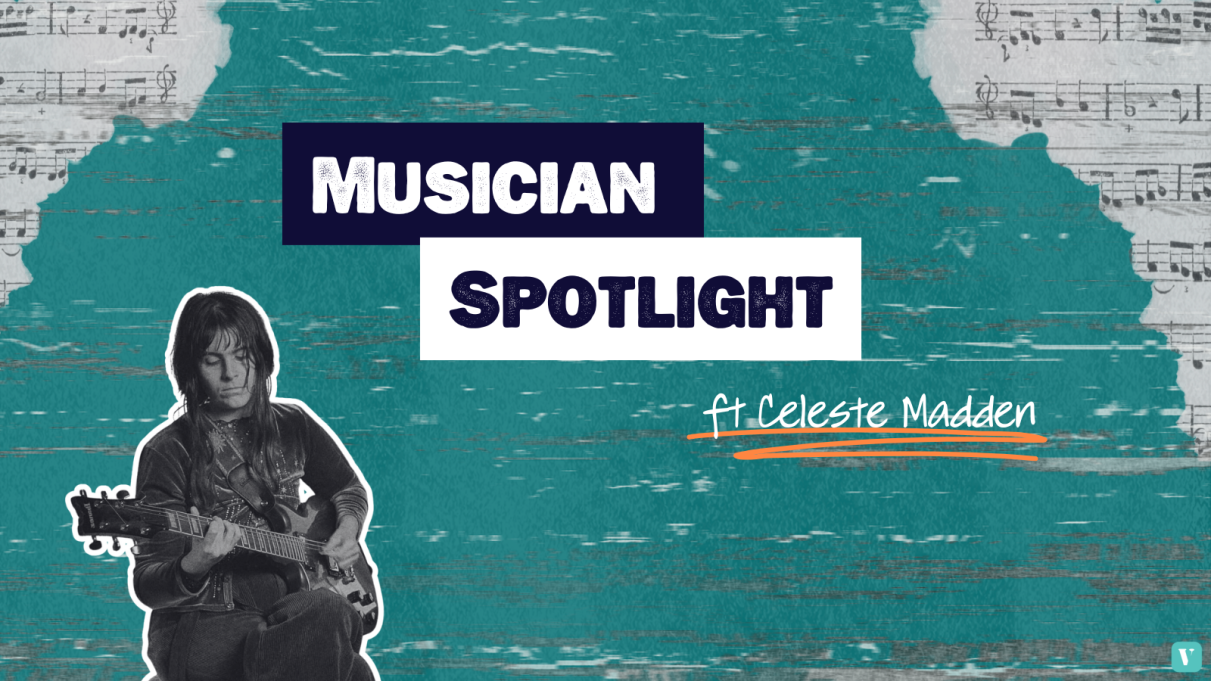
Eccentric British singer-songwriter Celeste Madden is known for her surreal style, 90s-influenced and guitar-loving sound. Her work tells a story, her story, and although her songs explore intricate emotions, she laces humour throughout, which reaffirms her self-description of ‘not being a serious person at all’. From overcoming stage fright to stacking live performances, her hands-on creative approach not only covers songwriting but also album covers; she lives and breathes her art. 2019 saw her debut single ‘Ghost’ released into the world, shortly followed by ‘That's just Extraordinary’ the EP. Her latest release, ‘Is It Really Goodnight’ features various collaborators and truly represents her growth from a budding artist to a powerhouse musician.
Interview conducted by VoiceBox's Lauren Louisha

Hey Celeste, thank you for joining me for the spotlight series! I’m loving your latest EP ‘Is It Really Goodnight’, for those who haven’t discovered your music yet, how would you describe the mood it sets?
Thank you so much, I’m glad you like it! I would say it’s a sleepy, spacey trek back into a first breakup. It gets pretty angsty, but I wrote it when I was 19. When you’re that age, everything takes the same level of priority; every issue is amplified by 100.
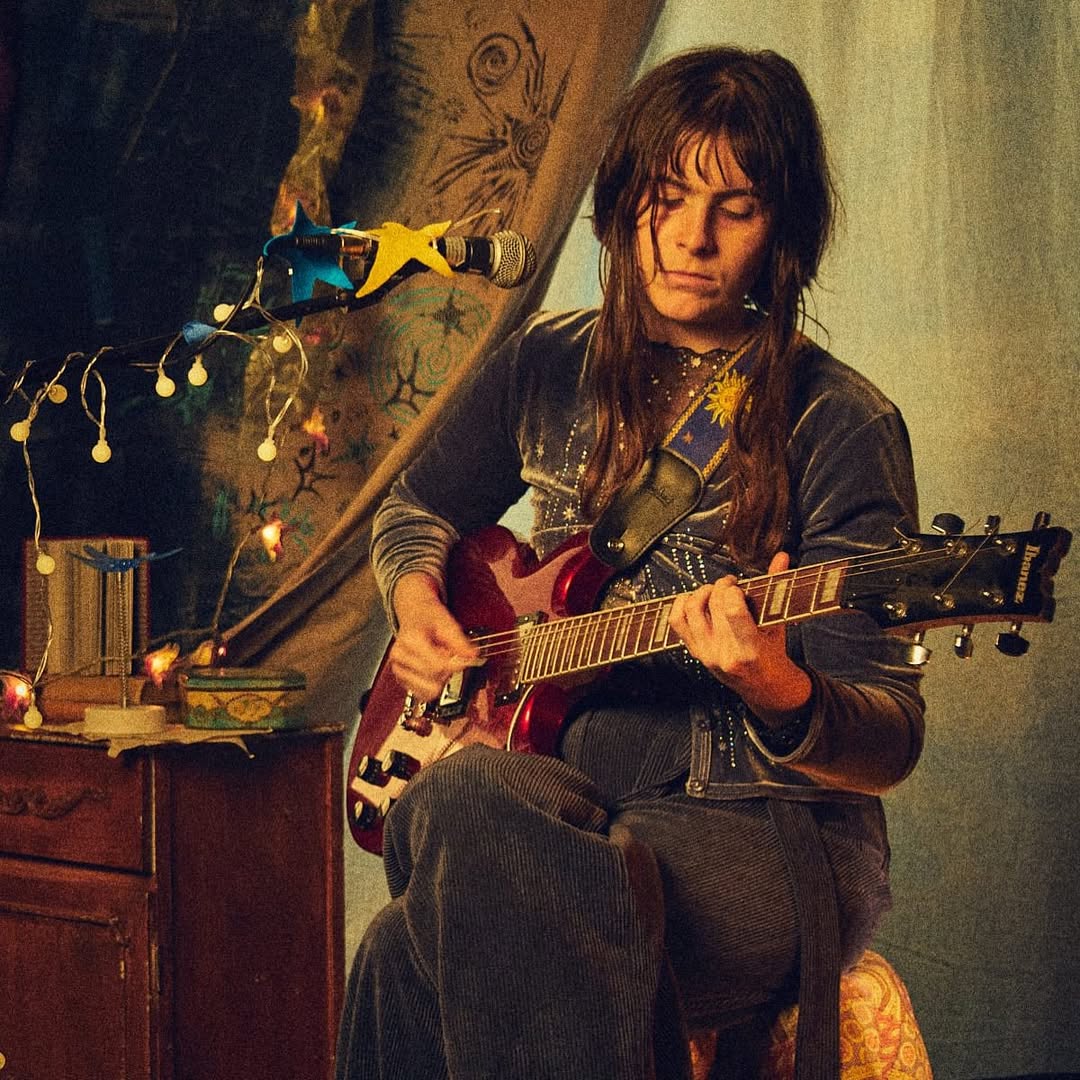
Take us back to the beginning; what did the start of your journey into music look like?
I used to play in a ukulele band in primary school, which sonically must have been a nightmare to listen to, five kids each with a ukulele. It was a lot of fun, and I was the designated songwriter. Most of the songs were Disney Channel rip-offs about what I imagined high school parties looked like, a lot of saying ‘let’s lose it’, ‘let’s get crazy tonight’. My idea of crazy was playing The Sims 2 on the PC.
You’re heavily influenced by '90s rock. Are there any bands or songwriters from that era who particularly resonate with you? What is it about their music that speaks to you?
I really love Pavement - Stephen Malkmus has such an incredible mind for double entendres and taking darkness with humour, which I hugely respect. They’ve also got this strong sense of melody, which could easily be lost amongst all the distortion, but never is. I really aspire to that. Elliott Smith and Liz Phair are two songwriters I take a lot of inspiration from: Elliott was so astute, even when he’s writing about the worst breakup of his life, he makes these really canny little observations. Liz Phair got some bad rap over her poppier stuff, but I stand by her all the more for it, why shouldn’t someone diversify their repertoire like that? It makes me feel a bit braver when I’m trying to expand and experiment.
You started off studying film before switching to music and sound design. Was there a standout moment that made you realise it was time to make that move?
Probably when I got a five-paragraph text from a guy in my group saying I ‘didn’t understand the fundamentals of motion pictures’ at 5 am. On a Saturday! The lecturers didn’t care; I just got told I wouldn’t have the chance to direct again if I left that group. There were a lot of moments like that, like a guy telling me in a Zoom class that women were inherently worse directors than men, and the lecturer calling it a ‘good debate’. If the industry I was about to enter was populated by people like that, then I’m getting out of there. I was becoming seriously unwell mentally, and music didn’t make me feel like that.
Aside from necessity, my music career did actually start to seem viable, and Sad Club Records was the first label to get back to me. A lot of the personal upheavals I talk about on the EP were all happening at this time, really steep highs and then huge drops.
Your songs explore your emotions and your experiences, but there are also strong hits of humour and surrealism running through them. What draws you to blending those elements together?
I’m not a serious person at all, which is either a strength or a fault depending on who you ask. To be properly sincere when writing a song is admirable, don’t get me wrong, but I can’t manage it. It’s very exposing, but if I can get a bit weird with it, I feel like there’s this layer of armour over the heart of the situation. That being said, the new material I’m writing has taken a bit of a turn for the honest, but I don’t want to lose that sense of humour. It’s a case of not getting too trapped in yourself either way.
You collaborated with a few artists on your last EP. How did their styles and voices influence you?
Jenny Simpson and Benjamin Sitton worked on the music videos for ‘Joan of Arc’ and ‘Fever Dream’, plus the little talk show promo clips we made. Jenny has such a good sense of placement and space, which I think really enhanced the look of the sets, especially considering it was all filmed in an empty room. Ben has a very instinctual skill for editing, which led to that very dreamy, Lynchian style of the ‘Joan’ video. We all ended up bouncing off of each other, and I think the equity of the process shows in the final products. The Lapdog video was made by Isla McLeod and Antonio Poplauschi as their final uni project, and I was much more hands off on this one. I’m still in disbelief that so many people wanted to put in so much time and energy into my song. Kind of magical to get these sporadic updates where each draft was more colourful and bombastic than the last.
You’re overcoming your stage fright by sharing music online, which I think in itself takes some nerve. Are there any other methods you’re trying to help build your confidence for when you perform live?
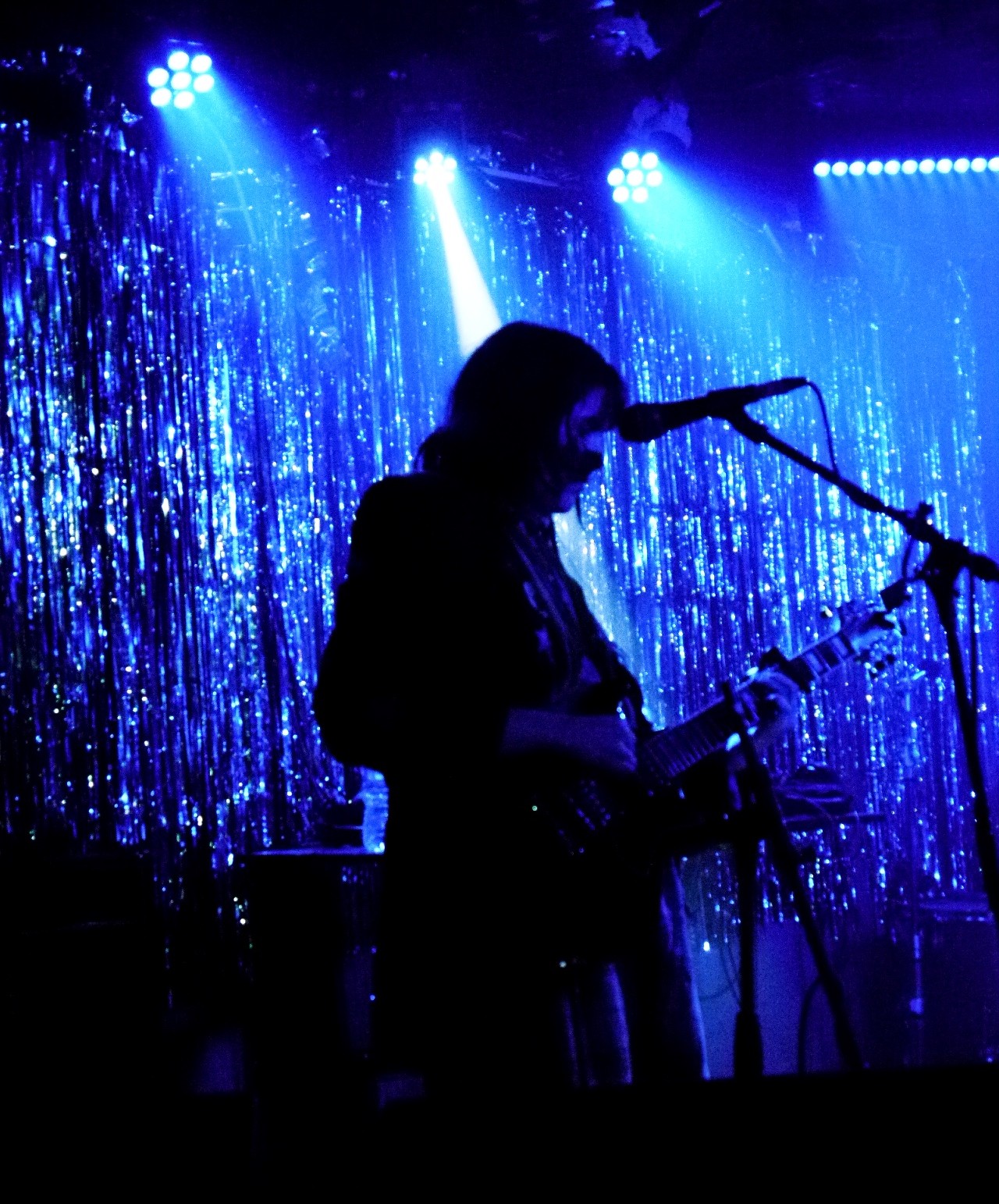
I’m answering this as I’m preparing for a gig tonight at The Windmill in Brixton, so I’m going to try and hold myself accountable for what I say. There are so many coping mechanisms I’ve tried, but I would say being able to play with musicians that I love and trust has helped me tenfold since I started playing solo shows. The best decision I could’ve made was putting together a backing band. Nothing uplifts me more than knowing my friends are there with me, even when I’m bricking it in front of a crowd of ten people. Also, I take my glasses off so I can’t see the crowd. Works wonders.
Image Credit: Mel Sienkewicz
What was the transition like going from releasing music independently to being supported by labels like Sad Club Records?
A lot of trial and error. I got very used to and very comfortable with music-making being a very solitary process, which isn’t at all how it works in a professional setting. Tallulah (who runs Sad Club) is such a powerhouse and is willing to hear out my weirdest ideas, which I’m very grateful for. The fact that I still have so much control over the artistic direction of my releases is something I’ll always appreciate.
You recently recorded a live session that’s set for release. Without giving too much away, what can we expect from it, and where will it be available to stream?
We recorded a live session of the entirety of ‘Is It Really Goodnight?’ at our old uni, which meant a lot of brainstorming on the spot. Things that you didn’t even know made sounds were making sounds, which in turn were really prominent on the live recording. I will say, it’s probably the first live set I’ve ever done where I haven’t talked incessantly in between songs. We’re hoping to do each song on YouTube, with the best picks maybe being made available to stream.
How did your live session stand apart from your regular gigs?
We had made the backdrop from scratch, so it was pretty cool to be in this weird den full of handmade trinkets and art. It’s really intimate, and looks a bit like a prehistoric cave. The problem is, I had a spider bite get infected the previous day, and once I realised I needed to go to A&E immediately after filming, I got really freaked out and couldn’t sing as well. Maybe the healthy dose of fear will really add to the recording.
Does the EP you’re currently working on have a theme or story running through it?
The next one is a lot more conceptual, but angry. There’s a political element to a lot of the songs, which isn’t something I’ve been able to articulate before. Without spoiling the visual element, it’s about kind of emerging from yourself and waking up to everything that’s wrong about the world around you. Or how disconnecting from the negative aspects of society doesn’t do anyone any favours.
Of course, you're connected to all the tracks on your upcoming EP, but is there one that feels especially meaningful to you?
There’s a seven-minute song about sexual assault that’s a bit of a raw one. I didn’t even realise it was such a long song until we finished recording. There’s absolutely no way it’s marketable to radio or anything, but I think with how deeply that pain runs through me and a lot of my loved ones, I don’t mind. I’m hoping it’ll resonate with people in the same way.
Image Credit: Guy Negus
It's been such a dream to have interviewed you, and I can’t wait for your new EP to be released. Before we wrap up, is there any advice you’d give to musicians who are feeling stuck or disheartened right now?
It’s been a dream to be interviewed by you. Thank you so much for having me. It’s funny you ask that, I’ve been really down on myself recently and was thinking about this last night. Don’t let TikTok warp your view of what constitutes a good song: that algorithm is a game of luck, and while it’s brought us some brilliant artists, it’s no indicator of success. Measure your achievements by your other achievements, and start by being happy, or trying to be happy, with what you write. Things fall into place when they do; sometimes, you have to look inward first.
Support Young Creators Like This One!
VoiceBox is a platform built to help young creators thrive. We believe that sharing thoughtful, high-quality content deserves pay even if your audience isn’t 100,000 strong.
But here's the thing: while you enjoy free content, our young contributors from all over the world are fairly compensated for their work. To keep this up, we need your help.
Will you join our community of supporters?
Your donation, no matter the size, makes a real difference. It allows us to:
- Compensate young creators for their work
- Maintain a safe, ad-free environment
- Continue providing high-quality, free content, including research reports and insights into youth issues
- Highlight youth voices and unique perspectives from cultures around the world
Your generosity fuels our mission! By supporting VoiceBox, you are directly supporting young people and showing that you value what they have to say.