

The Crisis
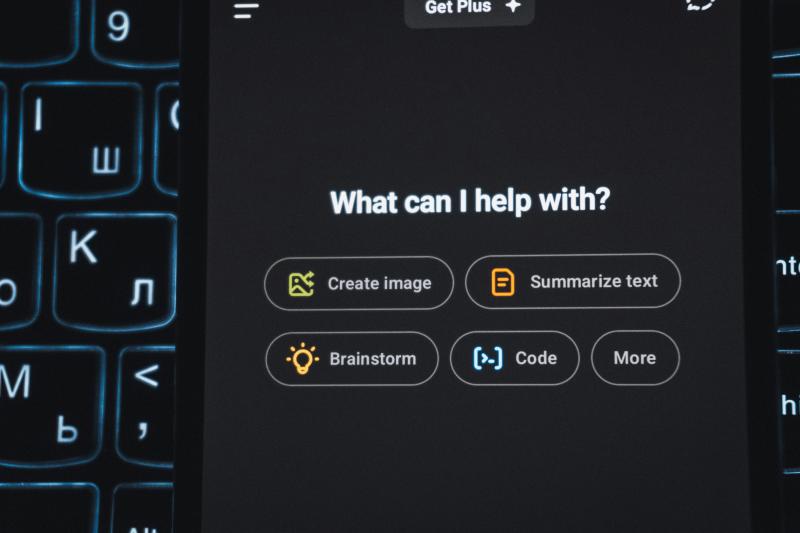
We are in a global crisis: a great depression of human attention. Youngsters and millennials alike have been consumed by the short-form content provided by big tech companies. A study published in the journal, Frontiers in Psychology in 2023, found that addiction to the content provided by platforms created by tech giants greatly harms our attention spans and makes us procrastinate more due to less attentional control.
On one hand, these companies dwindle the human attention, while simultaneously using “attention capture” technology in classrooms to mitigate the damage they have caused.
Involvement of Big Tech
This vision was provided in a document by the US Department of Education in 2012. This official document announces that public education should shift to something similar to a Netflix personalized recommendation system. Schools are encouraged to replicate the profile interface of Netflix and to create profiles of student users through large-scale data gathering. To mitigate student distraction, these systems will utilize attention-capturing techniques pioneered by platforms like Netflix, Amazon, and Facebook. Implementation of this vision has come in the form of companies like Summit Learning—funded by Mark Zuckerberg. They have introduced device-driven personalized instruction as a prominent feature within hundreds of schools across the country. However, parents and educators have raised their voices against this dehumanization of classrooms, as relationships between students and teachers are replaced by technology and teachers have taken the backseat to become motivational coaches while surveilling student devices via spyware like GoGuardian.
Irony and short-sightedness
I think it's ironic that these companies were the ones to push us into this attention crisis, and now we are just supposed to trust them with our eyes closed. First, they exploited our attention, and now they are using the same tools to improve them. Questioning the intentions and sincerity of such companies is necessary. It is important to ask whether all this is a grand ploy for these companies to lead the campaign against the very crisis they created.
Aside from this, I think that these tools currently employed by big tech companies fail to develop a voluntary ability to maintain attention. This reliance on external stimulation is inherently flawed; it is teaching students to be dependent on technology to concentrate, whereas education should be able to teach students how to develop attention on their own accord. Instead, this momentary stimulus captures their attention for a brief moment. Therefore, when this stimulus is inevitably removed, their attention span will revert to the depleted state. It is like strapping a bandage on a bacterial wound: a temporary solution to a deep-rooted, permanent problem.
The Monkey’s Lesson
This sentiment is supported by the findings of 19th-century French psychologist, Théodule-Armand Ribot. In his book ‘The Psychology of Attention’, page 41, he writes: “When asked how he could possibly learn so soon, whether a particular monkey would turn out a good actor, he answered that it all depended on their power of attention. If, when he was talking and explaining anything to a monkey, its attention was easily distracted, as by a fly on the wall or other trifling object, the case was hopeless. If he tried by punishment to make an inattentive monkey act, it turned sulky. On the other hand, a monkey which carefully attended to him could always be trained”. Sadly, right now, we humans are the distracted monkeys, and we will also turn sulky if we are punished for our distractedness. Still, we have to be the monkey who is attentive, who listens and grows. The movement by Big Tech to draw our attention into their particular content wheel stagnates our growth, and we are forced to remain distracted. We must reclaim our ability to focus, not through surveillance but by developing our own attention from within; that is the only permanent solution.
Content Disclaimer: The views & opinions expressed in this article are those of the author and do not necessarily reflect the views of VoiceBox, affiliates, and our partners. We are a nonpartisan platform amplifying youth voices on the topics they are passionate about.
Support Young Creators Like This One!
VoiceBox is a platform built to help young creators thrive. We believe that sharing thoughtful, high-quality content deserves pay even if your audience isn’t 100,000 strong.
But here's the thing: while you enjoy free content, our young contributors from all over the world are fairly compensated for their work. To keep this up, we need your help.
Will you join our community of supporters?
Your donation, no matter the size, makes a real difference. It allows us to:
- Compensate young creators for their work
- Maintain a safe, ad-free environment
- Continue providing high-quality, free content, including research reports and insights into youth issues
- Highlight youth voices and unique perspectives from cultures around the world
Your generosity fuels our mission! By supporting VoiceBox, you are directly supporting young people and showing that you value what they have to say.