
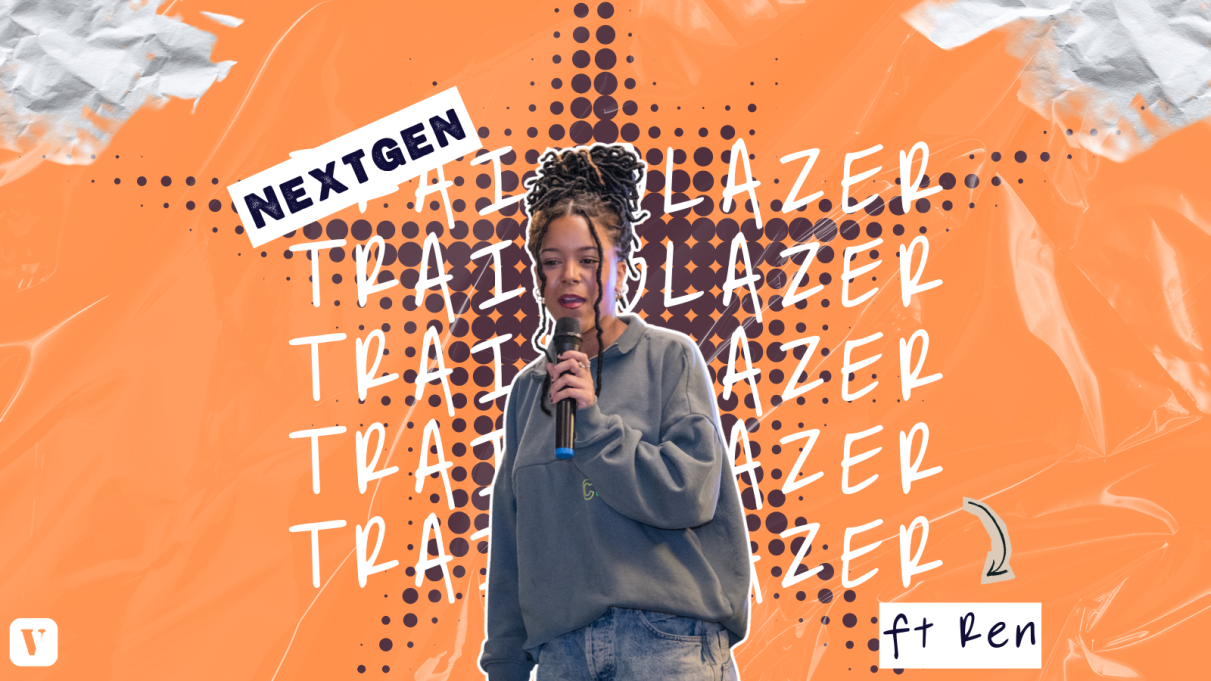
Poetry and connection have been Ren’s lifelines throughout her estrangement journey. Her poem “Dearest Mother” set the tone for a radically honest approach to healing and self-expression. After moving to London, Ren joined Crossword Lyric’s writing course, where her love for community deepened.
This experience became the catalyst for forming her own community group, Fourth Root, a space created as a home for estranged POC adults seeking connection, understanding, and belonging.
Interview conducted by VoiceBox's Lauren Louisha

Hey Ren, thank you for joining me today! For those who haven’t been introduced to you and your wonderful work yet, can you give them an intro to all things Ren?
I'm a London-based poet, budding content creator, and I run a community called Fourth Root for family-estranged people based in London. I started it back in the spring of 2025, after feeling really isolated on my own estrangement journey, realising that there must be so many others who felt the exact same way – so I decided to bring us together with a space that I hadn’t yet seen before. In terms of my poetry, I write a lot about the emotional complexity of being estranged, hoping to erase some of the tension around the subject and connect with others who are processing in solitude. I share all this through my social media, with the aim of reaching many more people who relate to my personal experiences.
In our initial chat, you mentioned that you feel as though some community spaces in London feel ‘repetitive’ and ‘performative’. How did those feelings affect how you engaged with those spaces?
For me, it meant I would show up less, both physically and energetically. It felt as though I needed to fit my experience into a monolithic category, ticking boxes in some “acceptable” form that makes my experiences digestible. This is something I’m in the process of learning, but there’s a key difference in providing a space where bodies can exist under a named branch, and facilitating a space where these people can genuinely feel comfortable to express, connect, and breathe in a capacity that they might not be able to on a daily basis in the outside world. One space I recently felt achieved this, was ‘Black Queers Connect’. Whilst I only made the end of their event, everyone I spoke to said the same amazing things about feeling seen, feeling supported, and feeling centred during their workshops. And even in my short time there, I went home feeling like I genuinely connected with people and felt celebrated in my identity – because that was their mission and they achieved it. This is what I want Fourth Root to achieve.
Estrangement is a huge part of your life, one you’re still in the midst of navigating and understanding. What's one thing you know now that at the start of your estrangement journey you never would have expected or understood?
I feel incredibly fortunate to sit here and say this, but I dropped so much of the guilt and shame tied to my decisions, and I never thought I’d feel this way. There’s such a large societal emphasis on family, even in subtle ways like holiday packages or tables of four, that it felt like a crime to exist outside of this unit.
Coming from a Caribbean household, too, the norm is that you stay. Through anger, bitterness, jealousy, bullying, abuse, and backstabbing, you don’t leave. You shove it under the rug and carry on like nothing happened, but the feelings build.
So, when I decided to leave and not look back, I was breaking norms I never even anticipated I would, and the guilt of that ate me up so much that for a long time I couldn’t even talk about my situation without subconsciously preparing for both internal and external judgement. Times have thankfully changed with the help of therapy, introspection and patience. And especially now that my mission is rooted in advocacy, and I feel very blessed to now own much more of my decision than I did 3 years ago and feel empowered by it too.
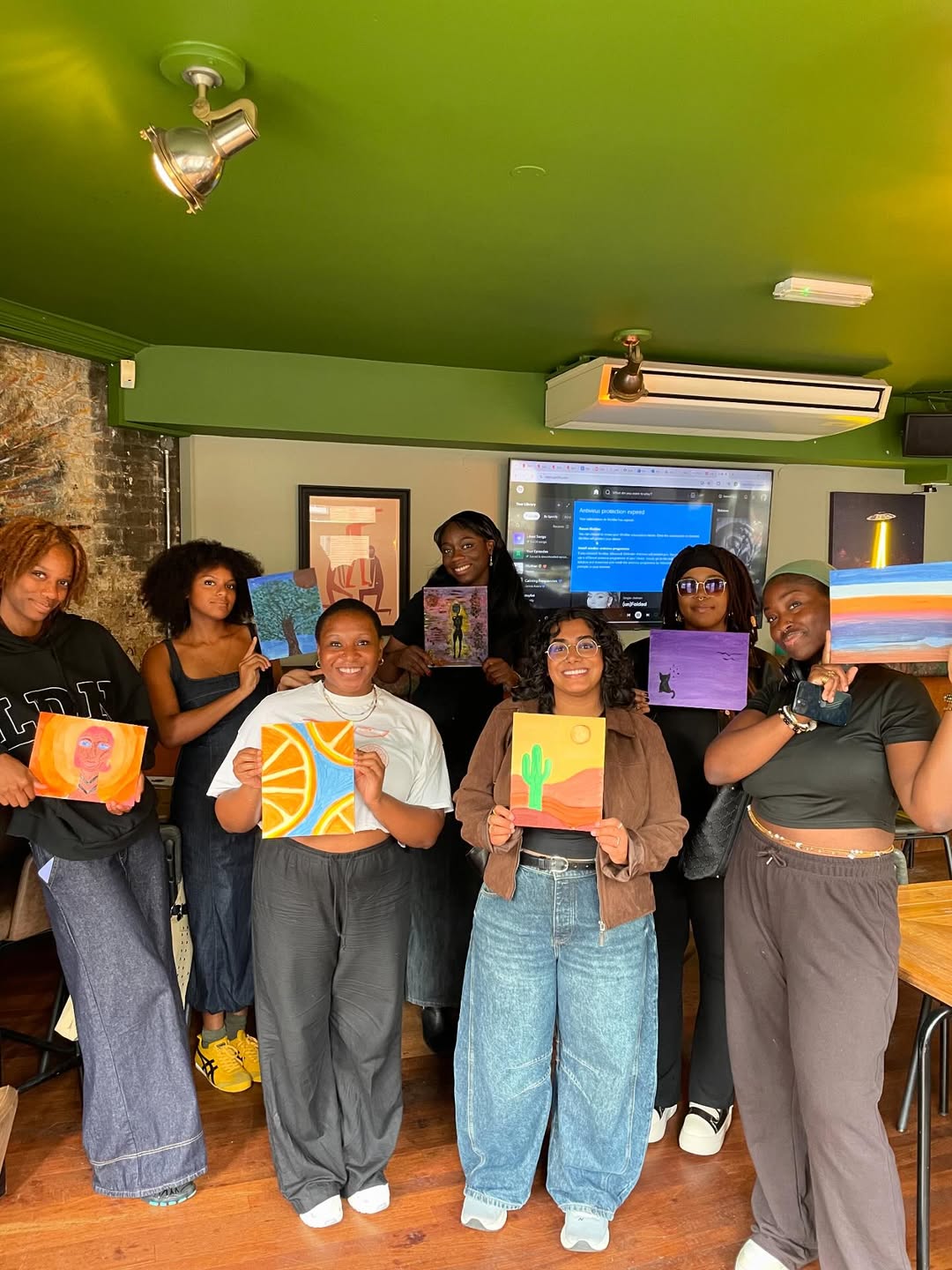
Can you tell our audience a bit more about ‘Fourth Root’ and the vision behind it?
Fourth Root had been an idea waiting to happen until I actually met you online! Having moved to a new city, not knowing anybody and still in the early days of no contact, I felt extremely alone. It’d been a quiet thought to bring other estranged people together, but once I connected with you, Lou, online and felt the instant impact of having someone to relate to, I knew it needed to become a real thing.
So, I pushed through the fear and got to work. At first, the vision was simply to bring all of us together in a room and talk freely about our situations, as I imagined for many of us, that was a rare luxury. But as time went on and I studied other spaces that felt impactful, the vision shifted. Currently, the mission is to not only offer a safe social space where people can exist without withholding their truths, but to offer workshops that give community members tangible tools and life skills that they may have missed out on due to their earlier experiences.
It's important to me that Fourth Root can provide a useful haven for its members. Whether that’s through art therapy, such as painting, or poetry that helps with emotional processing, or panel talks where members can feel inspired to achieve their dreams, no matter what.
Because, for many of us, we’re deep into survival mode, trying to figure out how to stay afloat and navigate life without a traditional support system. We want to aid in bridging the gap and letting the community know that there’s more out there for them – and that we’re supporting them every step of the way. It’s a huge pivot to make for any community, but this is only the beginning of a long journey, and one which I hope can positively impact and change lives for the better.
What have you learned about yourself throughout the process of creating and maintaining ‘Fourth Root’?
Big question. I like it. The most prominent lesson for me has been: if I want to advocate for other people, I need to learn how to advocate for myself. And I took this very literally. With such a delicate space, it was going to become a downhill slope if I only focused onthe needs of others, and I’m not a stranger to that.
This venture has forced me to get serious about my own mental health, including starting therapy, speaking up, setting boundaries, and being patient with myself in all areas. As someone who was sadly conditioned to eradicate my own emotions in the name of keeping someone else’s peace, I had to take a strong look at myself and realise that this was going to be my downfall if I didn’t change the narrative. So, in a nutshell, I learnt that having a big heart means protecting it so it can love safely.
Have you had any learning curves when it comes to navigating your own estrangement whilst creating a space for others to feel seen?
Oh absolutely. It was so surreal to be on the other side for once, as a facilitator and not a participant. The biggest lesson I think for me has been figuring out how to show up with enough emotion so that my community knows they’re seen, but not too much, whereby I become too engulfed in the fabric of it and lose sight of the mission I set out to achieve. I think it’s been quite real because I am (detrimentally) empathetic, but this community needs a leader who knows how to put their heart into it, whilst staying objective enough to curate a space that can grow and truly benefit its members.
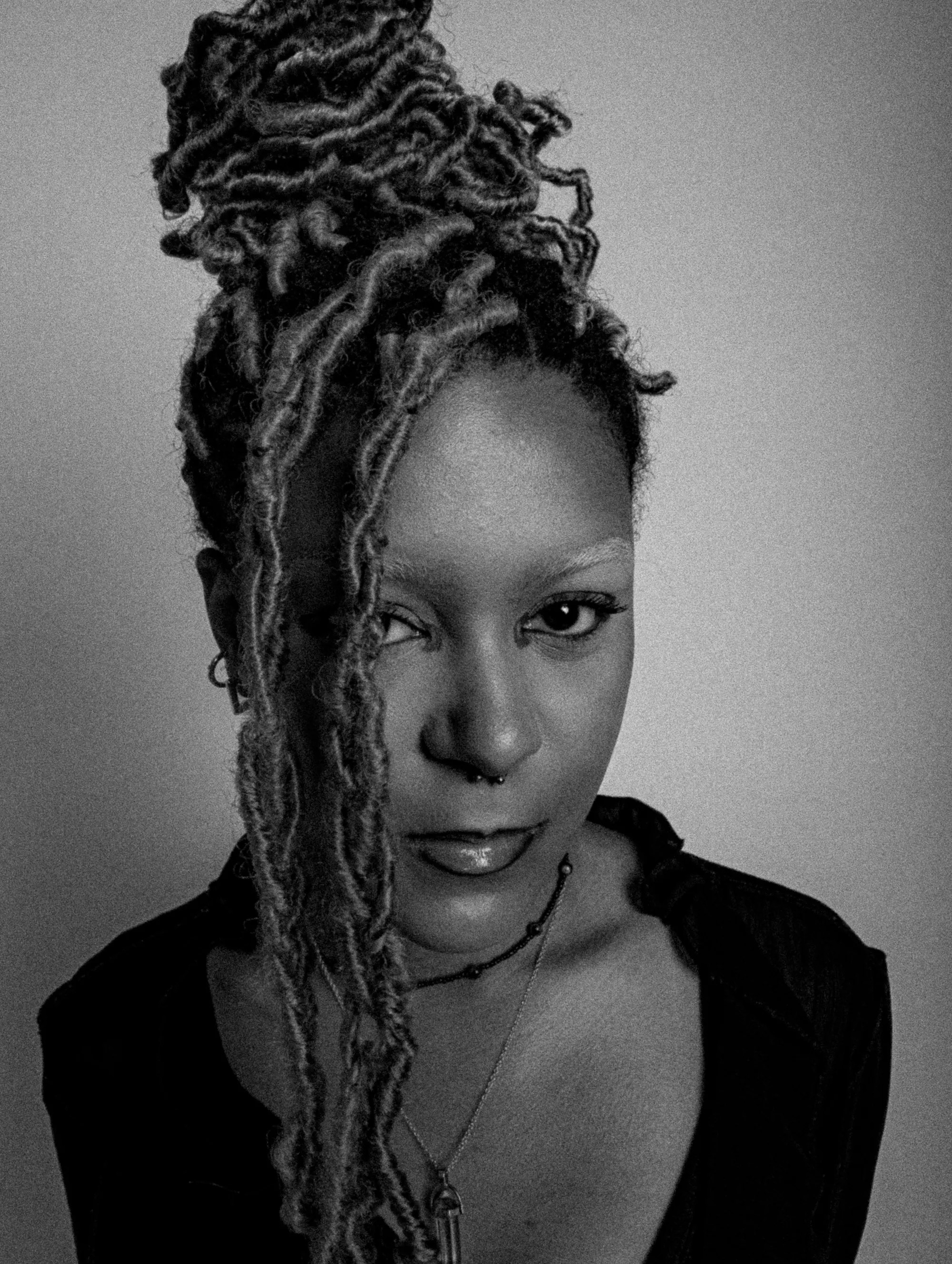
At Fourth Root, you host various events to get people to meet in person and form connections. Do you have any coming up that you can tell us about?
After our Christmas socials, we’ve taken an intentional break from in-person events until spring, and we’ll be returning with an awesome workshop to ease into the spring Solstice! Until then, we’ll be working on how to bring the community greater spaces and staying active on our Instagram (@fouth.root) and growing our WhatsApp chat!
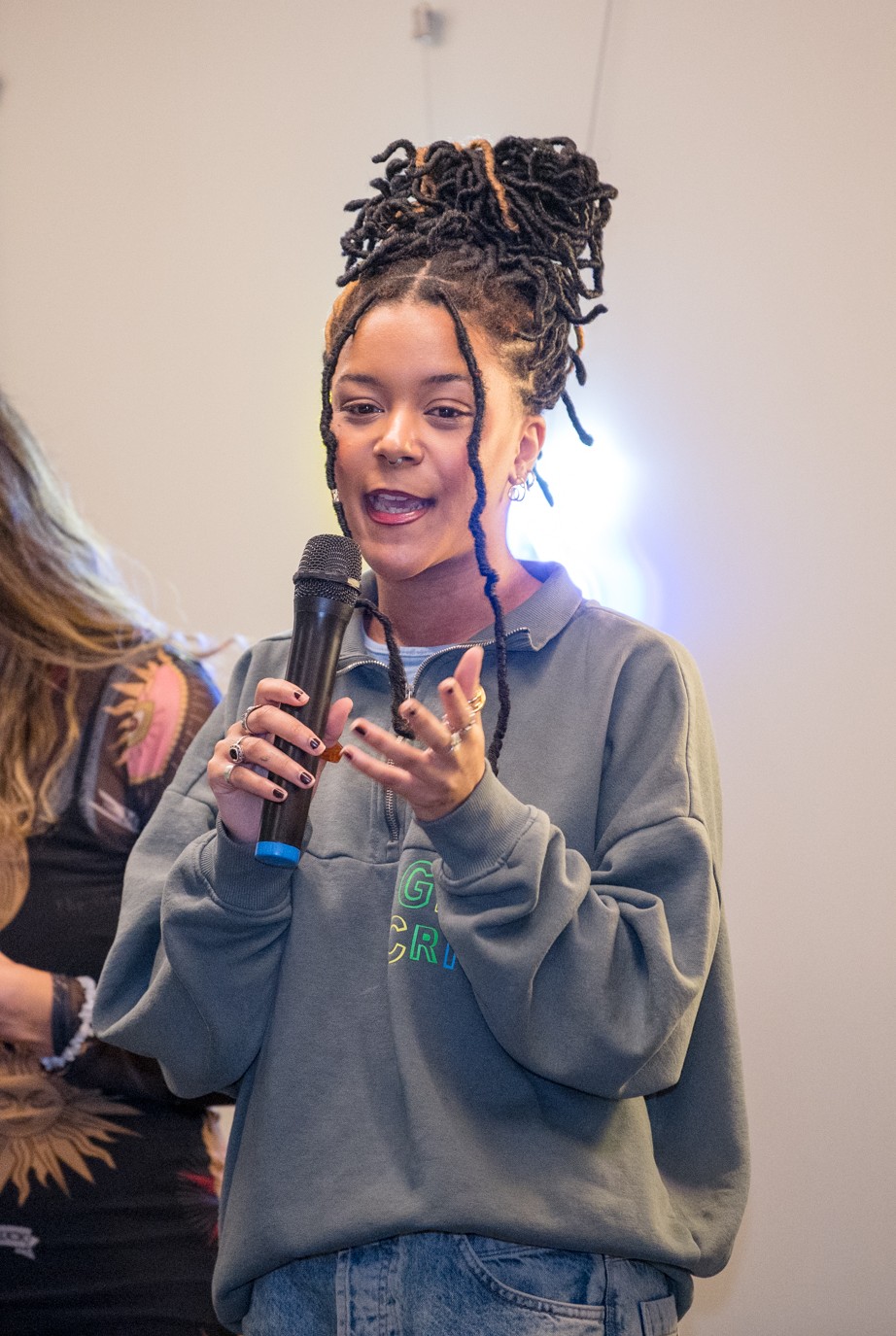
As well as being a community facilitator, you’ve always had a love for writing poetry, haven't you? What is it that draws you to the medium?
My love for poetry can only be described as a soulful need to transmute my pains with the beautiful delicacies of language. I believe that as humans, we feel deeply, and sometimes a traditional explanation cannot do that feeling justice. Whether the feeling is inherently good or bad, easy or complex, poetry offers a beautiful way to translate that and give it a whole new meaning. At first, my poetry was accidental –a journal entry turned rhyme. But over the years, I got to understand the relief it provides, and as I leaned more into that, I got more comfortable with the once-uncomfortable nature of my emotions.
Do you have a method or routine when it comes to writing a poem?
For the most part, no. My poetic outbursts usually stem from a big feeling and the inability to process that without hurting too much. It’s sort of the equivalent to morning pages, with the goal of getting everything down on the page, no stopping, until I feel somewhat lighter. Each time I write a new piece, I keep it to myself, read it over and over in the coming weeks as I try to make sense of that emotion. Once I understand what the root of the piece is, and have found relief in my writings, only then I’ll decide if I want to share it.
You did the CrossWord Lyric writing course when you moved to the big city. How did that course help you develop yourself as a writer and spoken word artist?
The CrossWord Lyric course was monumentally life-changing for me, particularly as someone who used to struggle a lot with confidence.
Throughout the 8-weeks, every session was about showing up exactly as you are – no pretence, no judgement, no refinement. And within that, you gained the surety of yourself to step outside of your comfort zone while honouring your current inner artist. With new poetic prompts and musical elements, we were working on how to express ourselves simultaneously through various forms.
I was committed to making the most out of that course, even with the fear and hesitation, and it truly paid off. Not only were Milli-Rose and the facilitators fantastic, but the entire cohort was like a cheerleader squad for each other. Reading over each other’s art unlocked truly wholesome vulnerability, and I feel that this experience connected me closer to my work and helped me identify my voice with confidence.
Where can we catch you performing next?
Staying loyal to a fantastic event, you can find me at the King's Cross ‘Crossword Lyric’ monthly open mic, as well as ‘If Poets Ruled the World’ in Fulham!
Ren, your story is incredibly moving. Thank you for opening up and sharing it with us. One final question to wrap up our time together: do you have any advice for anyone out there who’s struggling to find their community or a sense of belonging?
What advice would I give to someone struggling to find their community… I’m going to preface this by saying any and all inner work is easier said than done, so find patience.
Become your own best friend. Not at all to negate the need for community, but so that you can become familiar with the ways you show up for yourself that truly honour you.
Show yourself what it means to be your own friend, advocate, and listener, so that when your reality mirrors that back to you, you can be intentional and confident with the community you seek. There is quite literally community everywhere, but it’s a beautiful responsibility to show up, curate and cultivate community that aligns with you.
Support Young Creators Like This One!
VoiceBox is a platform built to help young creators thrive. We believe that sharing thoughtful, high-quality content deserves pay even if your audience isn’t 100,000 strong.
But here's the thing: while you enjoy free content, our young contributors from all over the world are fairly compensated for their work. To keep this up, we need your help.
Will you join our community of supporters?
Your donation, no matter the size, makes a real difference. It allows us to:
- Compensate young creators for their work
- Maintain a safe, ad-free environment
- Continue providing high-quality, free content, including research reports and insights into youth issues
- Highlight youth voices and unique perspectives from cultures around the world
Your generosity fuels our mission! By supporting VoiceBox, you are directly supporting young people and showing that you value what they have to say.